 Gallbladder Surgery
 Appendicectomy
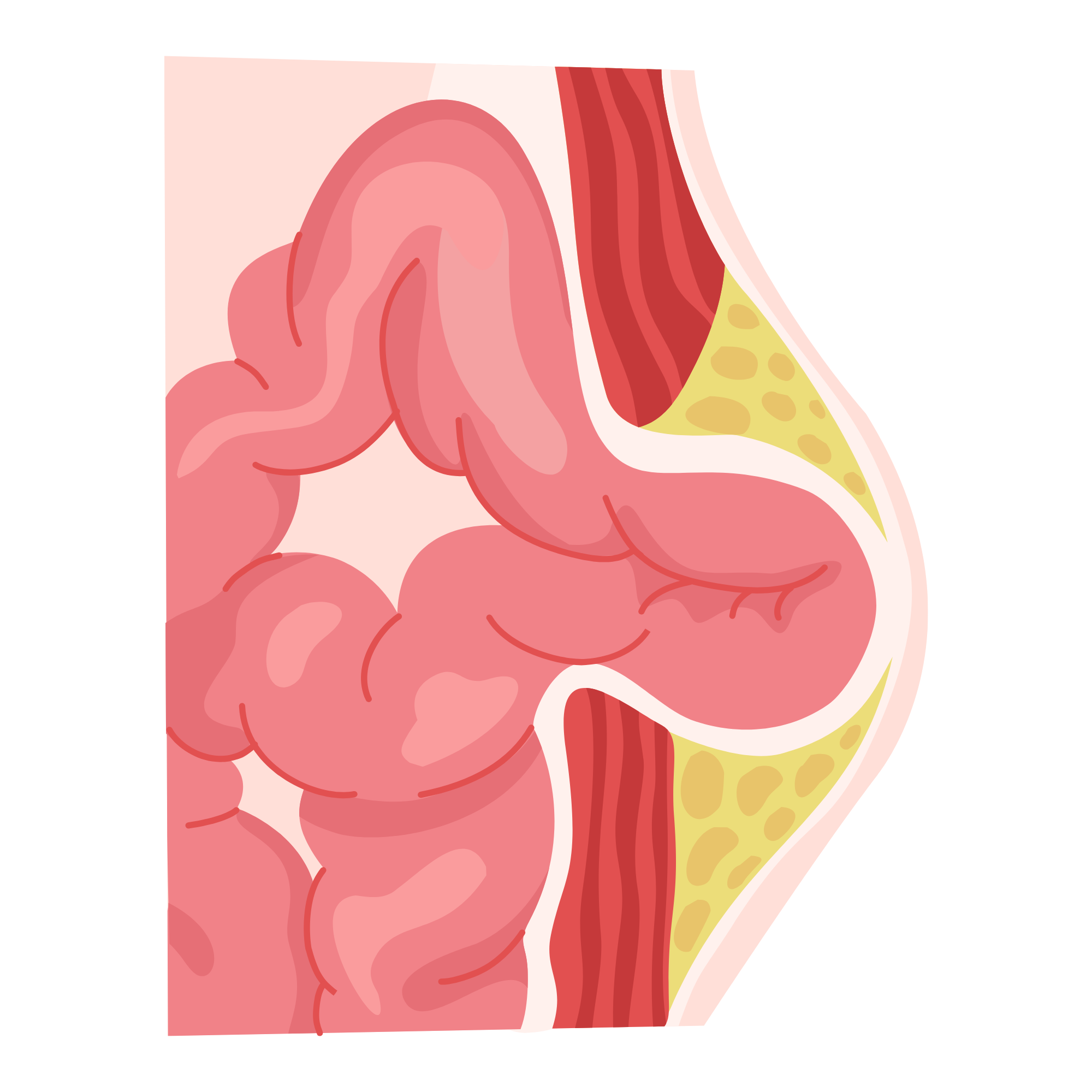 Hernia Repair
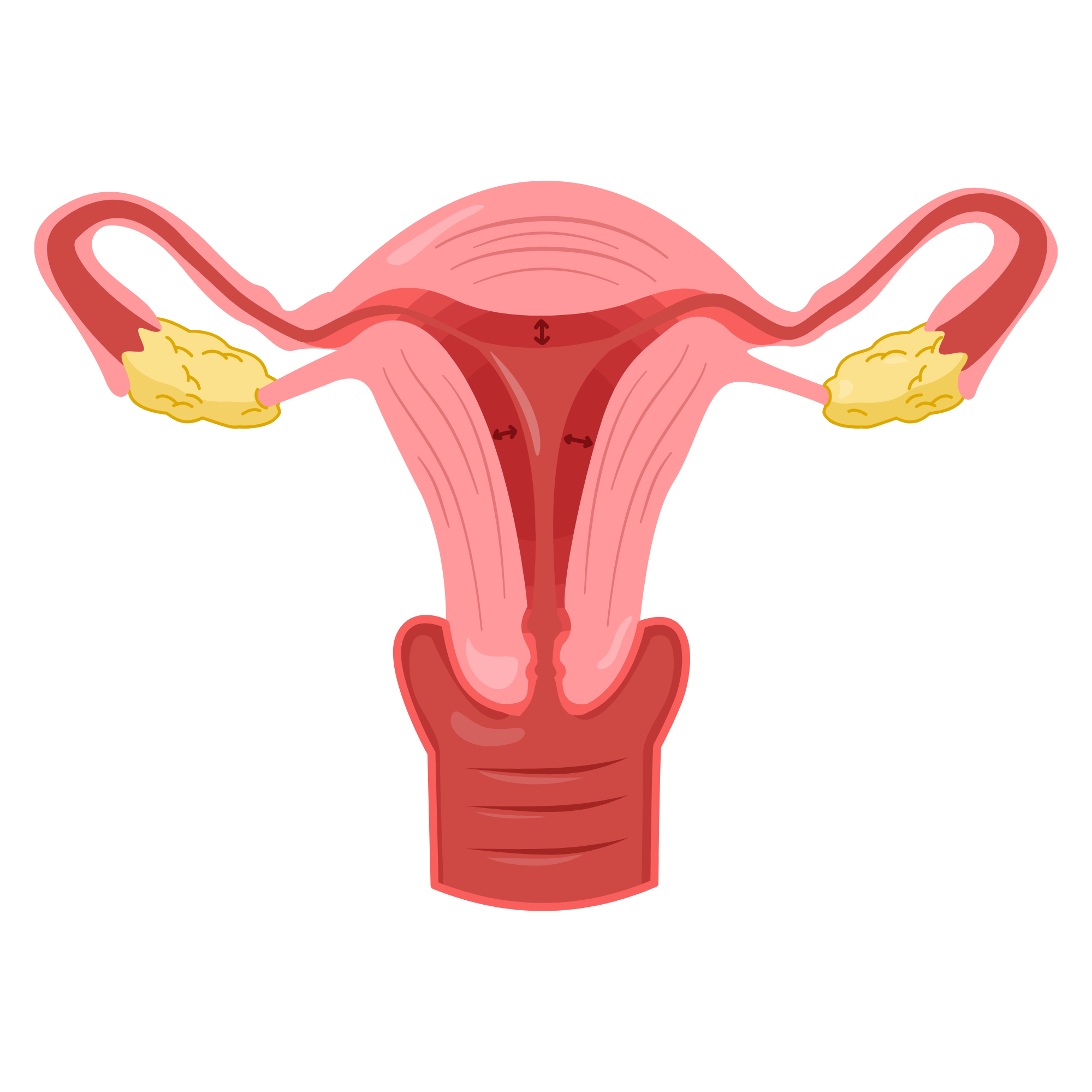 Hysterectomy
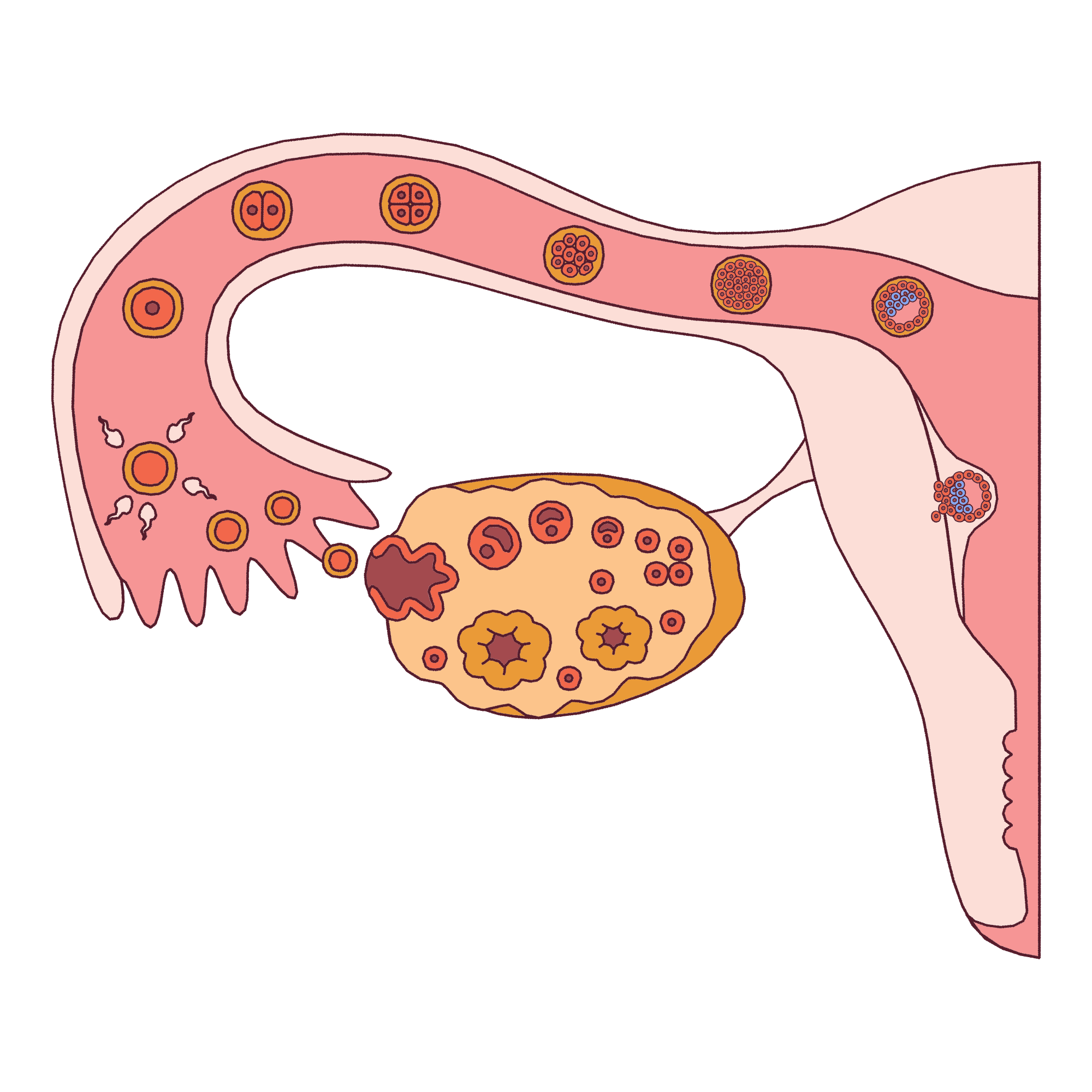 Ovarian Cystectomy
 Tubectomy & Ectopic
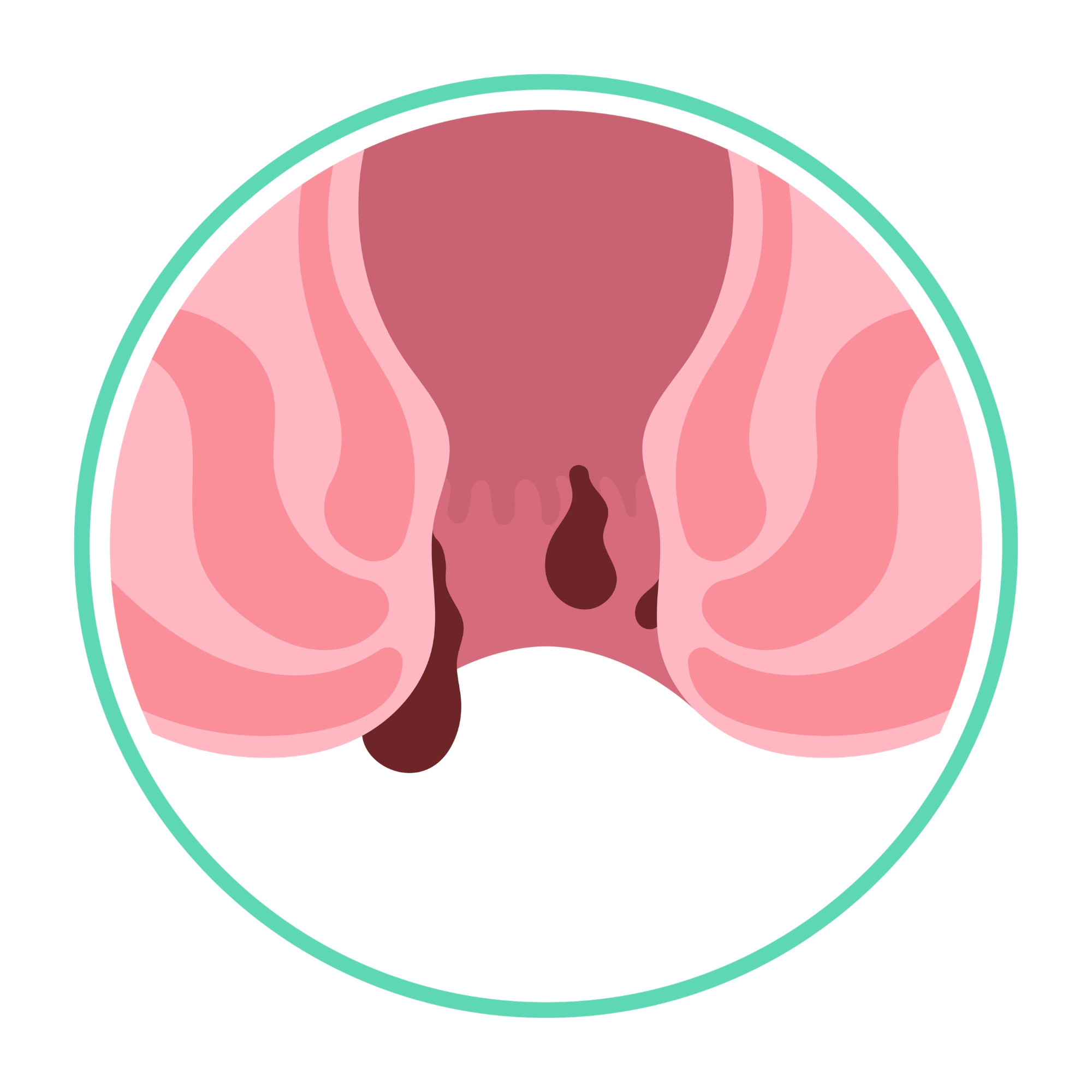 Laser Piles
 Laser Fissure
 Varicose Veins
 Laser Fistula
 Pilonidal Sinus
Not every case of piles needs an operation. Many people who have haemorrhoids for the first time can be successfully treated with dietary changes, medications, and simple clinic procedures. Understanding the grade of your piles helps you understand what your treatment options are and sets realistic expectations.
The Grading System for Internal Haemorrhoids
Internal haemorrhoids (piles that form inside the rectum) are graded from 1 to 4 based on how far they have descended below their original position.
Grade 1: Haemorrhoids are confined within the anal canal. The only symptom is usually bright red bleeding during or after a bowel movement. No lump is felt from the outside.
Grade 2: The haemorrhoid prolapses outside the anus during straining but goes back inside on its own once the straining stops. There may be bleeding and mild itch or discomfort.
Grade 3: The haemorrhoid comes out during straining and has to be pushed back manually. Symptoms are more noticeable: bleeding, discomfort, mucus, itching.
Grade 4: The haemorrhoid is permanently outside the anus and cannot be pushed back. This may include a large prolapse of the rectal lining. Symptoms are constant and can be significantly uncomfortable.
Grade 1: Conservative Treatment Is Usually Sufficient
Surgery is rarely needed for Grade 1 piles. The cornerstone of treatment is a high-fibre diet (fruits, vegetables, whole grains, pulses) to produce soft, bulky stools, drinking at least two litres of water daily, and correcting toilet habits (no straining, no prolonged sitting).
Topical creams or suppositories containing local anaesthetic provide symptom relief. For persistent Grade 1 bleeding that does not respond to conservative measures, sclerotherapy (a simple injection done in the clinic) is effective.
Grade 2: Several Non-Surgical Options Available
Rubber band ligation: A small rubber band is placed at the base of the haemorrhoid, cutting off its blood supply. The haemorrhoid shrinks and falls off within a week. This is highly effective for Grade 2 and selected Grade 3 haemorrhoids. Mild discomfort for a day or two is common. Three to four sessions may be needed.
Laser shrinkage: A laser fibre is inserted and the haemorrhoid is shrunk using controlled heat energy. Minimal discomfort, no open wound. Increasingly popular and effective for Grade 2.
Dietary changes remain essential regardless of which procedure is chosen. Without improving bowel habits, haemorrhoids can recur.
Grade 3: Surgery Is Often the Best Long-Term Solution
Grade 3 haemorrhoids can sometimes be managed with banding or laser procedures, but results are less reliable than for Grade 2. When the prolapse is significant and symptoms persist, surgery is usually the most effective treatment.
- Laser Haemorrhoidoplasty (LHP): Minimally invasive laser technique. Same-day discharge. Minimal pain. Best for Grade 2-3.
- DGHAL-RAR: The feeding arteries are tied off and prolapsed tissue is repositioned. Highly effective for Grade 3 with prolapse. No external cuts.
- Stapled haemorrhoidopexy: A circular stapling device removes excess rectal lining and pulls haemorrhoids back into position. Less pain than traditional surgery, shorter recovery.
Grade 4: Surgery Is the Standard Treatment
For Grade 4 haemorrhoids that are permanently prolapsed, surgery is recommended. Traditional haemorrhoidectomy removes the haemorrhoidal tissue completely and has the lowest recurrence rates. Laser haemorrhoidectomy cuts and seals simultaneously, reducing bleeding and post-operative pain compared to traditional cutting techniques.
Summary: Which Treatment for Which Grade?
| Grade | First-line treatment | If first-line fails |
|---|---|---|
| Grade 1 | Diet, hydration, topical creams | Sclerotherapy |
| Grade 2 | Rubber band ligation or laser | Repeat banding or surgery |
| Grade 3 | LHP laser or DGHAL-RAR | Haemorrhoidectomy |
| Grade 4 | Surgery (laser or conventional) | N/A |
Frequently Asked Questions
I have had piles for 10 years. Is surgery still an option?
Yes. The duration of symptoms does not affect whether surgery is appropriate. It does not make the surgery more complex.
Can I treat Grade 4 piles without surgery?
Grade 4 haemorrhoids do not respond reliably to non-surgical treatments. Surgery is the standard recommendation. Patients with significant medical conditions may be managed conservatively with close review.
How do I prevent piles from coming back after surgery?
A high-fibre diet, adequate water intake, no straining on the toilet, and regular physical activity are the four habits that most reduce the chance of recurrence.
Not sure what grade your piles are?
A brief clinical examination by Dr. Prashanth J V will give you a clear diagnosis and grade, plus a treatment plan suited to your condition.
Book a Consultation