 Gallbladder Surgery
 Appendicectomy
 Hernia Repair
 Hysterectomy
 Ovarian Cystectomy
 Tubectomy & Ectopic
 Laser Piles
 Laser Fissure
 Varicose Veins
 Laser Fistula
 Pilonidal Sinus
The word "surgery" understandably makes people nervous. But for most people who need a hernia repair, it is a planned, routine procedure with a predictable recovery. Knowing what happens at each stage removes the uncertainty, and that alone makes the whole process easier.
What Is a Hernia?
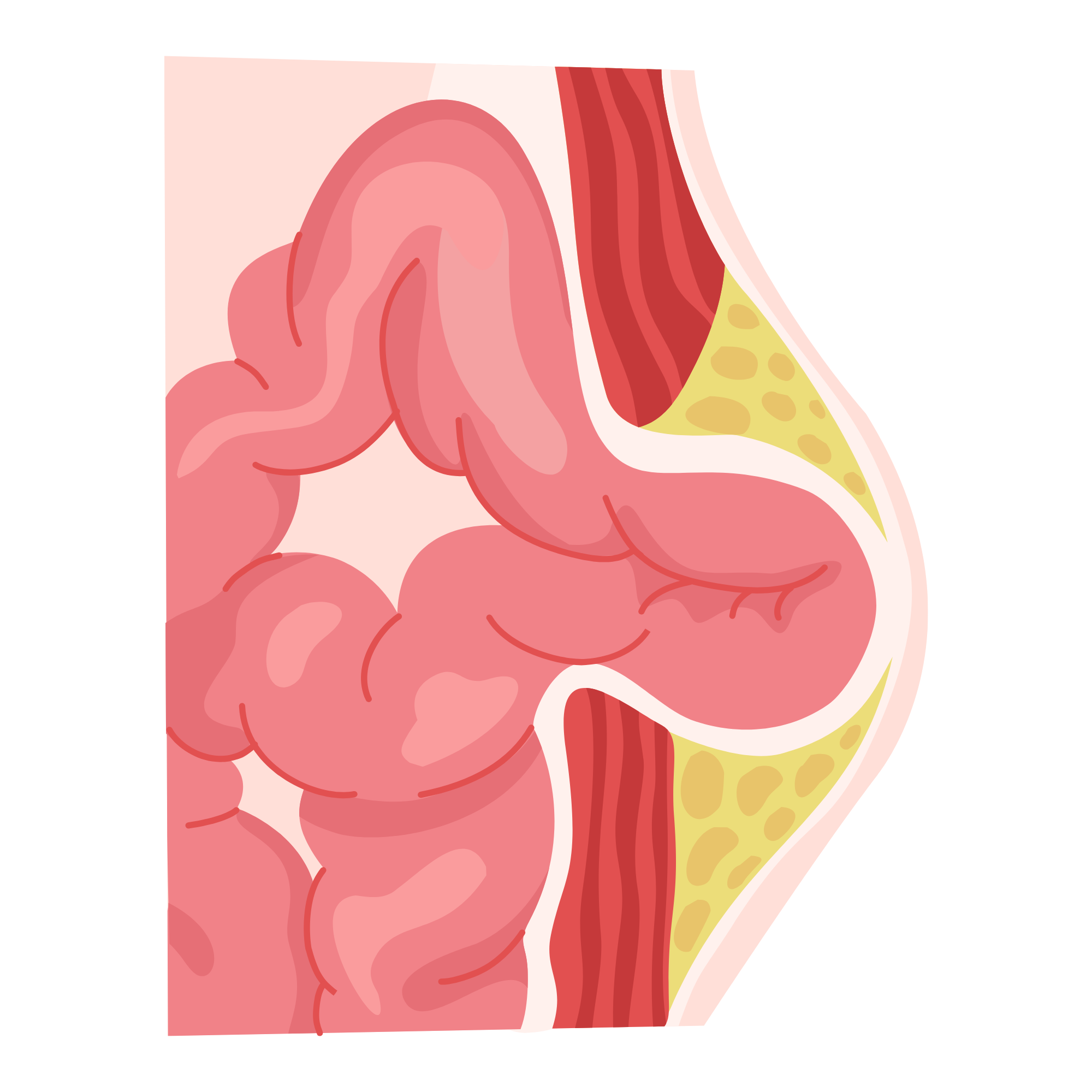
A hernia occurs when an internal organ or tissue pushes through a weak spot in the surrounding muscle or connective tissue. The most common types are:
- Inguinal hernia (groin): Most common type. More frequent in men. The intestine or fatty tissue pushes through the inguinal canal.
- Umbilical hernia: Around the navel. Common in infants but also occurs in adults, particularly after pregnancy or weight gain.
- Incisional hernia: Through a scar from a previous abdominal surgery.
- Femoral hernia: Just below the groin. More common in women.
Hernias do not heal on their own. Without surgery, they can enlarge over time. The most serious complication is strangulation, where the blood supply to the herniated tissue is cut off. This is a surgical emergency.
Before the Operation
After your consultation and examination, your surgeon will arrange blood tests and possibly an ultrasound to confirm the diagnosis. A pre-operative assessment will review your medical history, medications, and fitness for anaesthesia. If you are on blood thinners, you will be given clear instructions on when to stop them.
The day before surgery: fast from midnight (or six hours before your operation time), shower with regular soap, remove nail varnish and jewellery, and arrange for someone to drive you home afterwards.
The Day of Surgery
On arrival, a nurse will do final checks and you will change into a hospital gown. An anaesthetist will explain the anaesthetic plan and answer your questions.
Laparoscopic hernia repair is done under general anaesthesia. You are completely asleep. The procedure takes 45-60 minutes for a straightforward inguinal hernia, slightly longer for large or bilateral hernias.
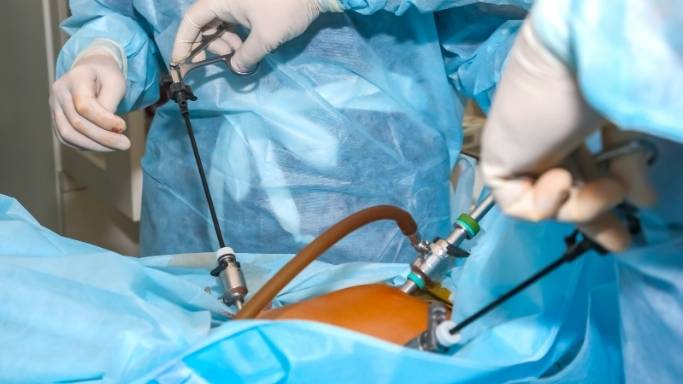
The surgeon makes three small incisions (each 0.5-1 cm) in the abdomen. Carbon dioxide gas creates a working space. A laparoscope (camera) provides a magnified view on a monitor. The hernia contents are gently returned to the abdominal cavity, and a synthetic mesh is placed to reinforce the weak area. The incisions are closed with dissolvable stitches.
After the Operation: Recovery at Hospital
You wake up in the recovery area. Most patients feel drowsy for one to two hours. Expect mild nausea from the anaesthesia, soreness around the incision sites, and shoulder tip pain from the carbon dioxide gas that goes away within 24-48 hours as the gas is absorbed. For most laparoscopic hernia repairs, you are discharged on the same day or the following morning.
Recovery at Home: Week by Week
Week 1: Rest is important but do not stay completely still. Short walks indoors are encouraged from day one. Take pain medication as prescribed (usually paracetamol and ibuprofen). Keep the dressings dry until they can be removed after 5-7 days. Avoid lifting anything heavier than 2-3 kg. Avoid driving until you can perform an emergency stop without discomfort, usually 5-10 days.
Weeks 2-3: Most people with desk jobs return to work in week two. Light exercise (walking, gentle stretching) is fine. Avoid the gym, heavy lifting, and strenuous physical activity.
Weeks 4-6: Most patients are fully recovered and back to all normal activities. Physical labourers and sportspeople may need 6-8 weeks.
Signs That Need a Doctor's Attention
Call your surgeon if you notice fever above 38.5 degrees Celsius, increasing redness or discharge from a wound, severe abdominal pain, inability to pass stools or urine, or the hernia lump reappearing.
Frequently Asked Questions
Will the hernia come back after surgery?
Laparoscopic mesh repair has a very low recurrence rate, under 2%. Recurrence is more likely if the repair was done without mesh, if the mesh became infected, or if the patient strains heavily before the mesh has fully integrated.
Is mesh safe?
Synthetic mesh for hernia repair has been used successfully for decades. The vast majority of patients have no problems. A small number experience chronic discomfort, which your surgeon will discuss with you before the operation.
Can I have a hernia repair under local anaesthesia?
Open hernia repair can be done under local anaesthesia for patients who are high risk for general anaesthesia. Laparoscopic repair requires general anaesthesia.
I have a hernia but no symptoms. Do I still need surgery?
For small, completely asymptomatic hernias in older patients, a watchful waiting approach is sometimes appropriate. Your surgeon will discuss the risks and benefits in your specific case.
Diagnosed with a hernia?
Book a consultation with Dr. Prashanth J V to understand your options and plan a smooth, comfortable recovery.
Book a Consultation