 Gallbladder Surgery
 Appendicectomy
 Hernia Repair
 Hysterectomy
 Ovarian Cystectomy
 Tubectomy & Ectopic
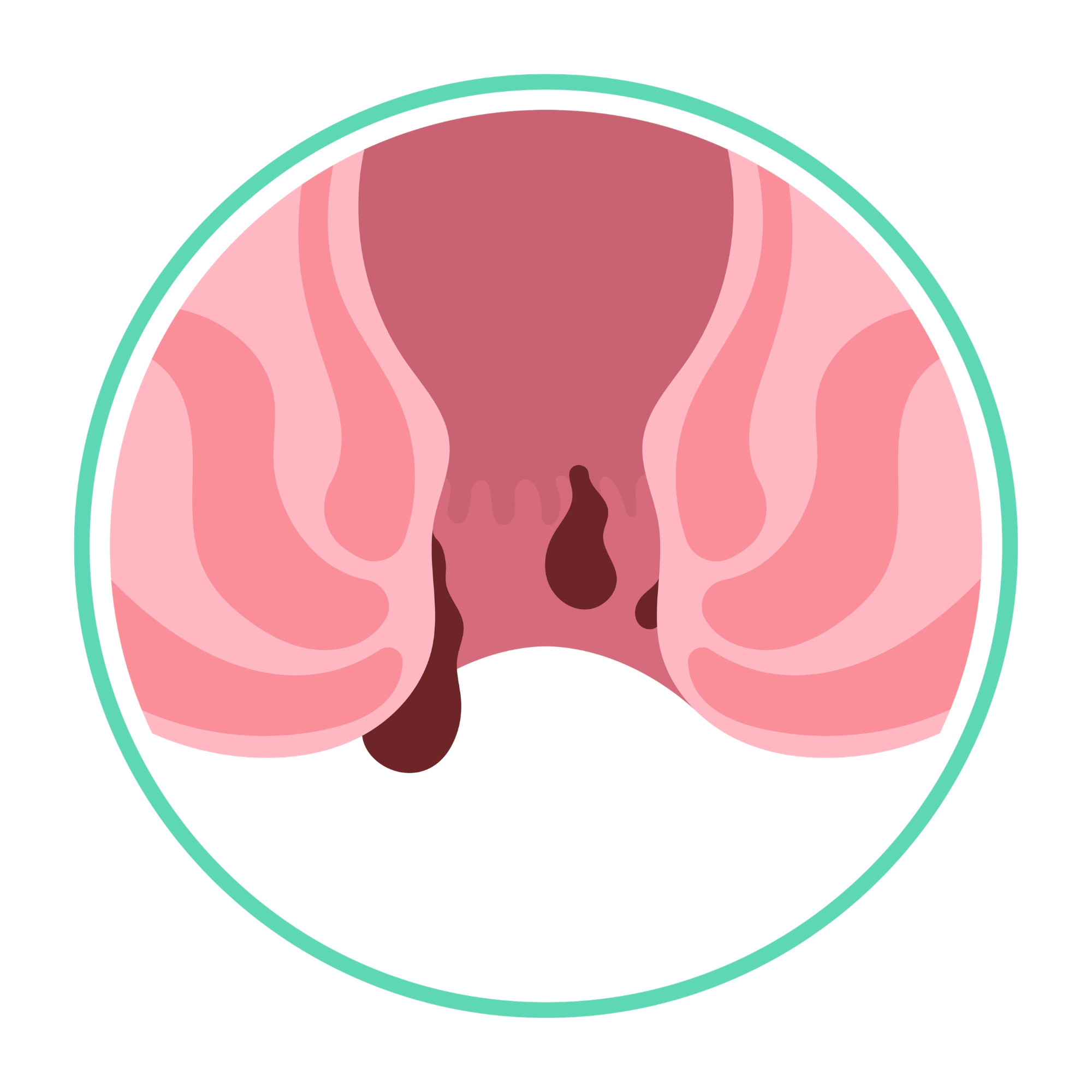 Laser Piles
 Laser Fissure
 Varicose Veins
 Laser Fistula
 Pilonidal Sinus
The word "laser" sounds like it should hurt. But laser piles treatment is actually one of the least painful ways to deal with haemorrhoids, and most patients are genuinely surprised by how comfortable the experience is compared to what they expected.
This guide covers everything: how the procedure works, whether it hurts, what recovery looks like day by day, and what you should and should not eat afterwards.
How Does Laser Piles Treatment Work?
There are several laser-based techniques for treating haemorrhoids. The two most commonly used are:
Laser Haemorrhoidoplasty (LHP): A thin laser fibre is inserted into the haemorrhoidal tissue. The laser energy heats the tissue from inside, causing the blood vessel to shrink and seal off. There are no cuts and no stitches. The haemorrhoidal tissue gradually shrinks over two to four weeks after the procedure.
DGHAL-RAR (Doppler-Guided Haemorrhoidal Artery Ligation with Recto-Anal Repair): A Doppler probe identifies the exact arteries feeding the haemorrhoids. The surgeon ties off these arteries and stitches any prolapsed tissue back into its correct position. This is preferred for Grade 3 and Grade 4 piles.
Will I Feel Pain During the Procedure?
No. All laser piles procedures are performed under anaesthesia. Depending on the extent of your haemorrhoids, your surgeon's recommendation and your preference, this is either spinal anaesthesia (numbs from the waist down while you remain conscious), general anaesthesia (you are asleep), or local anaesthesia with sedation for simpler cases.
You will not feel anything during the procedure. The surgery itself takes between 20 and 40 minutes.
What About After the Anaesthesia Wears Off?
This is where laser has a genuine advantage over traditional surgery. With traditional hemorrhoidectomy, the post-operative pain can be significant for one to two weeks because the sensitive anal area is left with open wounds. With laser, there are no open wounds. The anal lining is intact. Thus, keeping the pain very minimal.
Most patients describe post-operative discomfort as mild: a sense of tightness or pressure rather than sharp pain. Day 1-2: mild discomfort rated 2-4 out of 10. By week 2, most patients are near pain-free.
Same-Day Discharge: Is It Really Possible?
For Grade 1, 2, and most Grade 3 haemorrhoids, yes. Most patients who have laser piles treatment are discharged the same evening, six to eight hours after surgery. However, you will need someone to drive you home. Grade 4 haemorrhoids or complex cases may require one night or more in hospital.
Week-by-Week Recovery Guide
Week 1: Rest at home. Short walks are encouraged from day one. Take prescribed medications: pain relief, stool softeners, and antibiotics if prescribed. Take warm sitz baths (sit in warm water for 10-15 minutes) two to three times daily. Avoid lifting anything heavier than two to three kilograms.
Week 2: Most people return to desk work by day five to seven. Bowel movements should be soft and painless. Continue the high-fibre diet. Avoid strenuous exercise.
Weeks 3-4: Near-full recovery. Resume normal activity including light exercise. Follow-up appointment with your surgeon to check healing.
What Can You Eat After Surgery?
Days 1-3 (soft diet): Cooked rice, khichdi, idli, mashed potato, boiled vegetables, curd, banana, and plenty of water. Avoid spicy food, alcohol, and caffeine.
Day 4 onwards (high-fibre diet): Fresh fruits (papaya, guava, pear), vegetables including leafy greens, whole grains, pulses and dals. Continue drinking two to three litres of water daily. Avoid heavy fried food for at least two weeks.
The Single Most Important Thing
Preventing constipation after piles surgery matters more than anything else. Hard stools are the main reason for post-operative pain and complications. High fibre and adequate water intake are not optional.
Warning Signs to Watch For
Call your surgeon if you notice heavy bleeding (more than a few spots), fever above 38.5 degrees Celsius, inability to pass urine, or severe pain not relieved by prescribed medication.
Frequently Asked Questions
How long before I can go back to work?
Desk job: 5-7 days. Physical or manual labour: 3-4 weeks. Driving: wait until you can sit comfortably without pain, usually 5-7 days.
Can piles come back after laser treatment?
Yes, haemorrhoids can recur if the underlying causes such as chronic constipation and low-fibre diet are not addressed. With dietary changes and good bowel habits, recurrence rates are low.
Is laser treatment covered by insurance?
Many health insurance policies in India cover haemorrhoid surgery. Check your policy or speak to your insurance coordinator. Your surgeon's office can help with pre-authorisation paperwork.
I have had piles for years. Am I still a candidate for laser?
Usually yes, though the appropriate technique depends on the grade and size of your haemorrhoids. A clinical examination is needed to confirm suitability.
Ready to get lasting relief?
Dr. Prashanth J V has performed laser piles surgery for over 10 years. Book a consultation and find out which technique is right for you.
Book a Consultation