 Gallbladder Surgery
 Appendicectomy
 Hernia Repair
 Hysterectomy
 Ovarian Cystectomy
 Tubectomy & Ectopic
 Laser Piles
 Laser Fissure
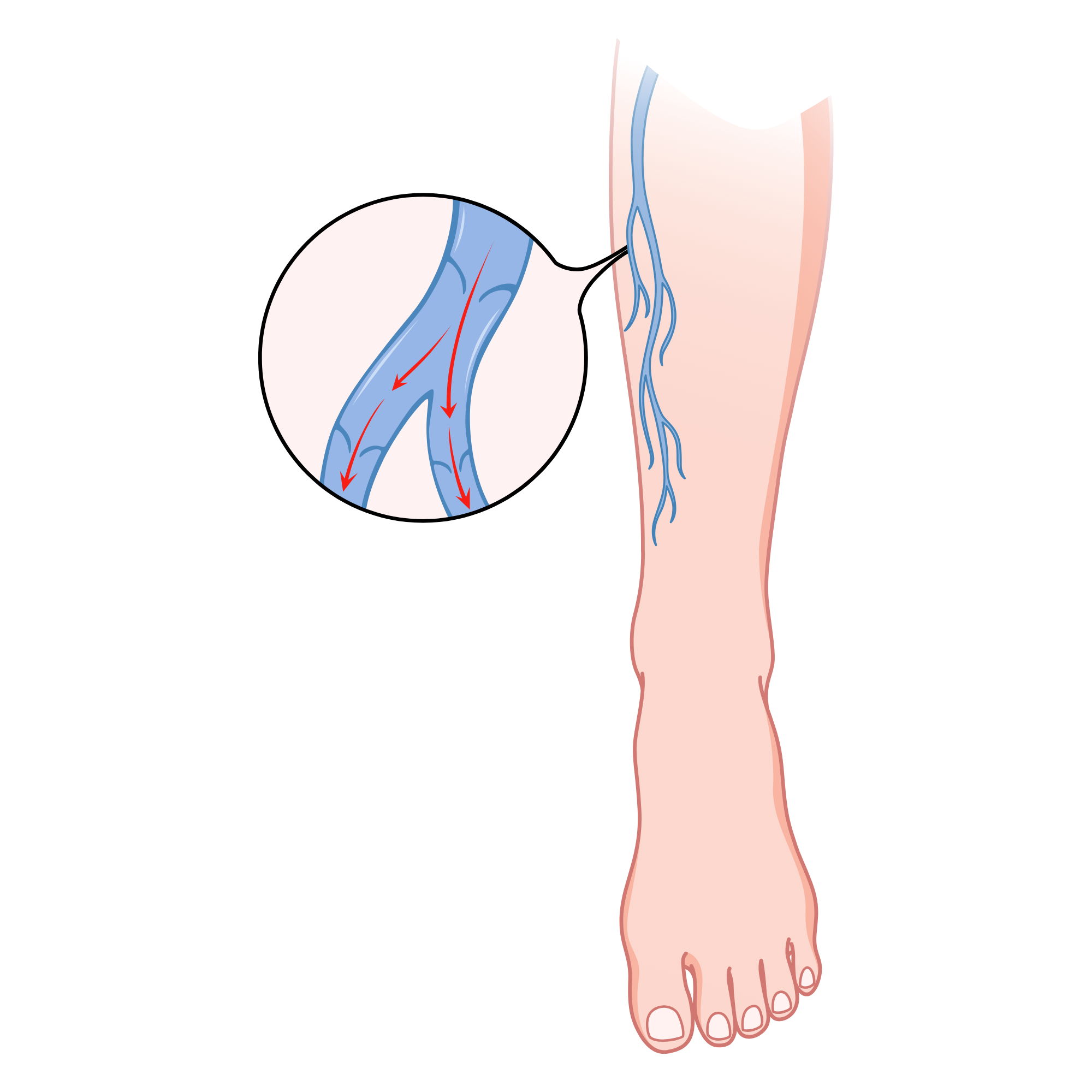 Varicose Veins
 Laser Fistula
 Pilonidal Sinus
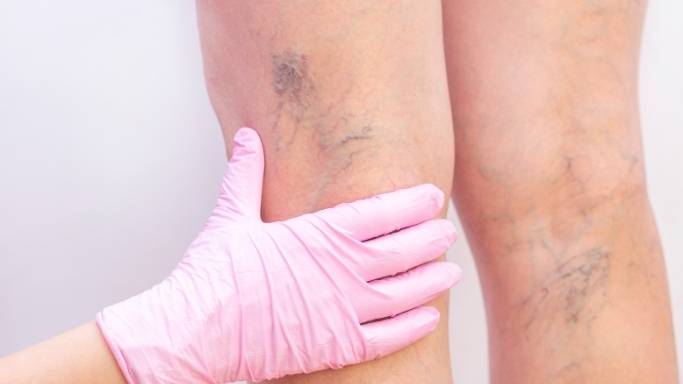
For most of the 20th century, the standard treatment for varicose veins was surgical stripping: tying off the main vein at the groin and pulling it out through cuts in the leg. It worked, but recovery was painful and took weeks. Today, the majority of varicose veins can be treated with laser energy from inside the vein, under local anaesthesia, with patients walking out of the clinic the same day.
So which is better in 2026? Here is a detailed, honest comparison.
How Traditional Stripping Surgery Works
The procedure is called high ligation and stripping. Under general or spinal anaesthesia, a cut is made at the groin where the main surface vein (the great saphenous vein) meets the deep vein. The junction is tied off. A wire is inserted into the vein and the vein is stripped (pulled out). Multiple small cuts are then made over visible varicose veins to remove them in sections.
This is effective and results can last many years. But the recovery is significant: two to three weeks of pain, bruising, and limited mobility. General anaesthesia carries its own risks.
How EVLA (Endovenous Laser Ablation) Works
EVLA is the modern standard. It is done under local anaesthesia. Large volumes of dilute local anaesthetic fluid (tumescent anaesthesia) are injected around the vein to numb it and protect surrounding tissue from heat.
A needle is inserted into the vein at the knee level. A thin laser fibre is threaded up the vein to the groin junction. Laser energy is delivered as the fibre is slowly withdrawn, sealing the vein from inside permanently. Visible branch varicosities can be removed through tiny punctures during the same session. You are awake throughout. The procedure takes 45-60 minutes per leg. You walk in, you walk out.
Side-by-Side Comparison
| Factor | Surgical Stripping | EVLA Laser |
|---|---|---|
| Anaesthesia | General or spinal | Local only |
| Post-operative pain | Significant, 1-2 weeks | Mild, 3-7 days |
| Recovery (desk job) | 10-14 days | 2-3 days |
| Recovery (physical job) | 2-3 weeks | 1-2 weeks |
| Scarring | Groin scar plus leg cuts | Tiny puncture marks only |
| Effectiveness | High, 5-year recurrence under 10% | High, comparable to surgery |
| Hospital admission | Usually one night | Day procedure, no admission |
| DVT risk | Small | Lower (early ambulation) |
When Is Surgery Still Used?
EVLA is not suitable for every patient. Surgery may be preferred when the varicose veins are extremely large and tortuous (making it difficult to thread the laser fibre), when EVLA has previously failed, or when the patient has specific anatomical factors that make the laser approach less reliable.
What About Foam Sclerotherapy?
Foam sclerotherapy is a third option where a chemical foam is injected into the vein to close it. It works well for smaller varicosities and spider veins, and as an adjunct to EVLA for branch veins. For the main truncal veins, EVLA or surgery gives better long-term results.
The Bottom Line
For the vast majority of patients with varicose veins, EVLA is the recommended first-line treatment. It is equally effective as surgery, significantly less painful, and has a much faster recovery. The technology has been refined over two decades and the evidence base is strong. Surgery remains an excellent option for complex or recurrent cases.
Before Any Treatment
A duplex ultrasound scan (painless, takes about 20 minutes) must be done to map your venous system before any treatment decision is made. No experienced vascular surgeon will recommend treatment without one.
Frequently Asked Questions
Will the closed vein cause any problems?
No. When a varicose vein is closed, blood naturally reroutes through the healthy deep veins. The deep venous system handles the blood return from the leg efficiently.
How long do results from EVLA last?
Studies with 5-10 year follow-up show durable results with recurrence rates under 10%. The treated vein itself stays permanently closed.
Is EVLA covered by insurance?
Some insurers cover EVLA; others classify it as cosmetic. Get a letter from your surgeon confirming the medical indication, which strengthens an insurance claim.
Can both legs be treated at the same time?
Yes. Both legs can be treated in a single session under local anaesthesia, which is one of the practical advantages of EVLA over surgery.
Considering varicose vein treatment?
Dr. Prashanth J V offers EVLA and surgical varicose vein treatment at multiple locations in Bangalore. Book a vascular consultation today.
Book a Consultation
Read Next
For the full clinical picture, including CEAP staging, Duplex ultrasound diagnosis, how endovenous laser treatment is performed, recovery, cost factors and insurance, see our complete guide to varicose vein treatment in Bangalore.