 Gallbladder Surgery
 Appendicectomy
 Hernia Repair
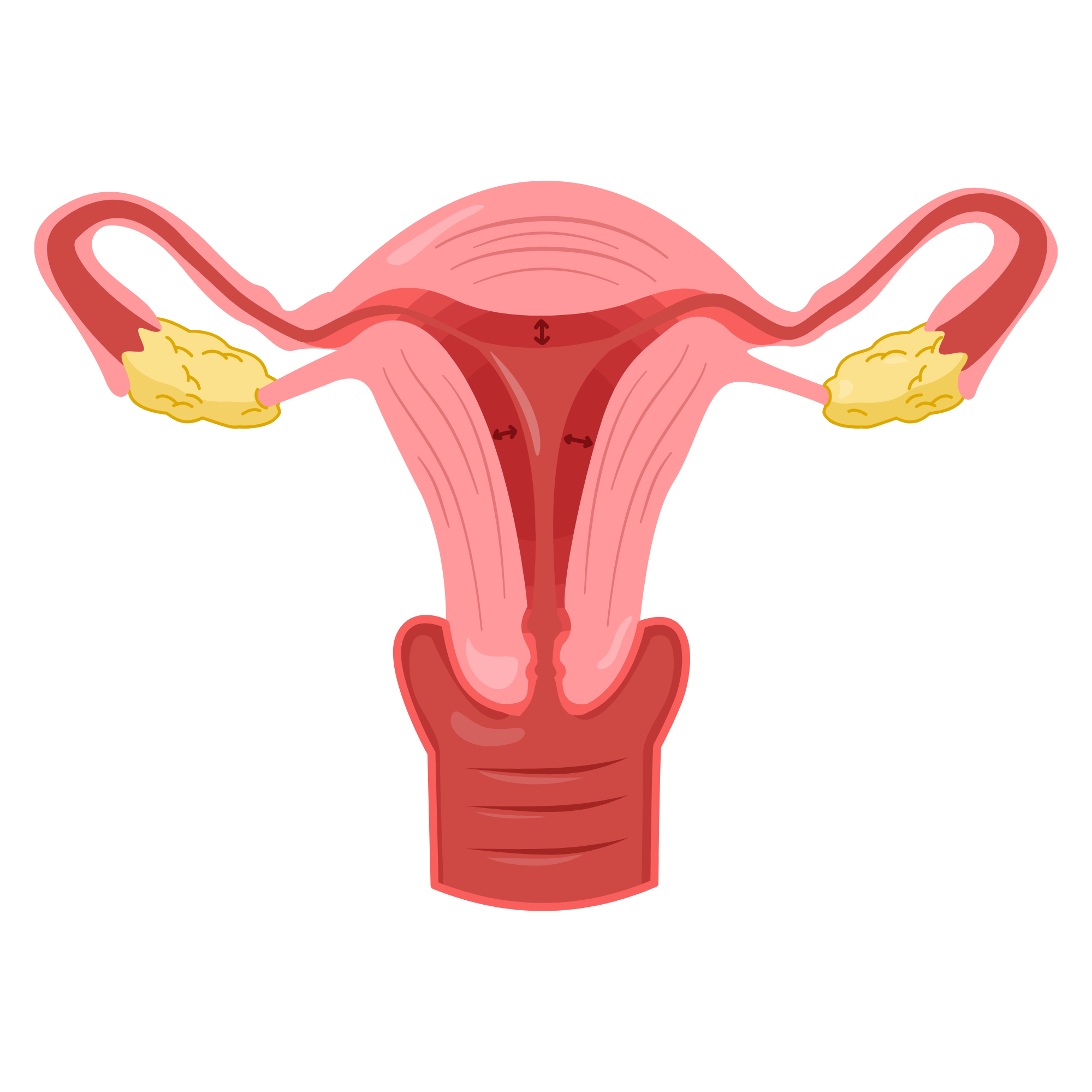 Hysterectomy
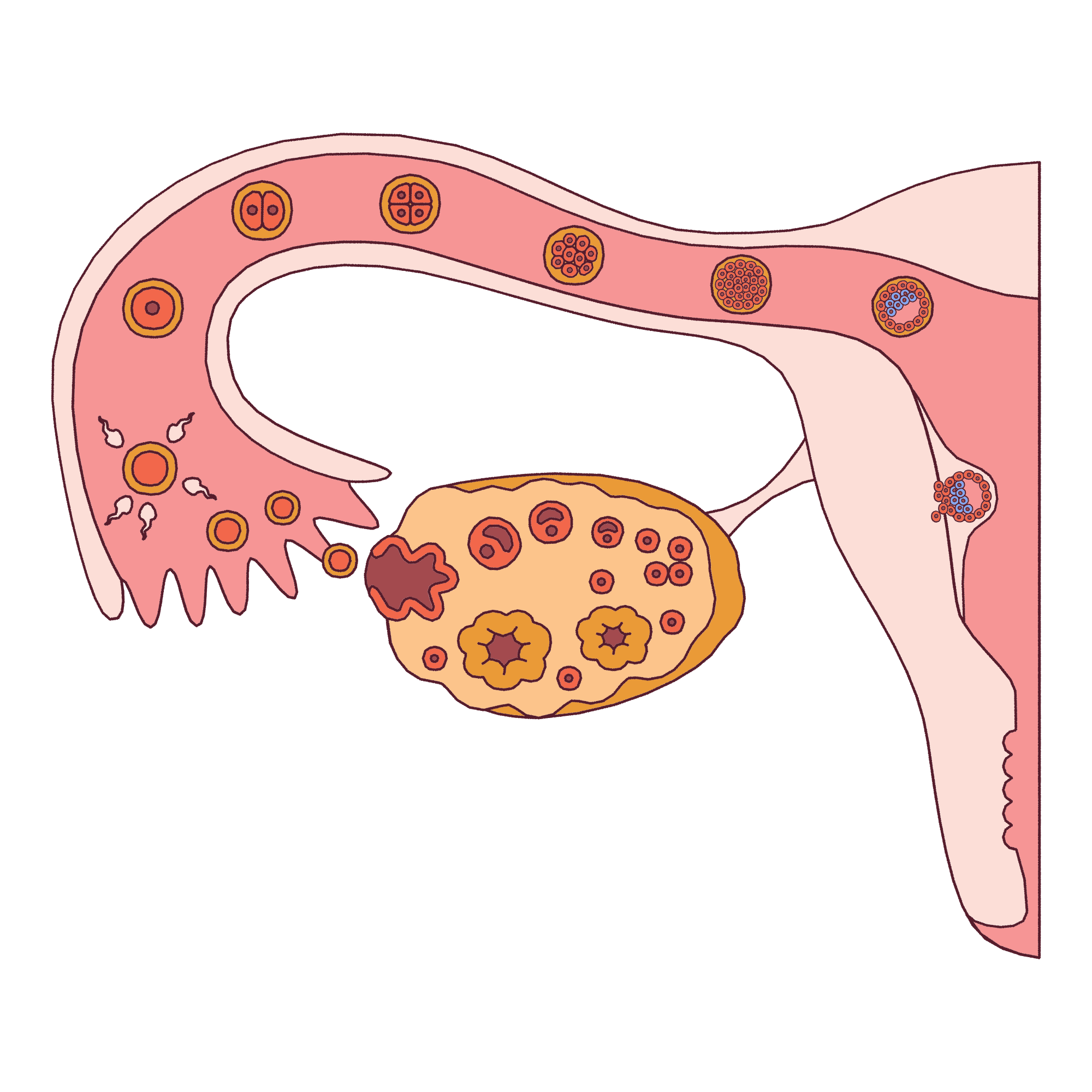 Ovarian Cystectomy
 Tubectomy & Ectopic
 Laser Piles
 Laser Fissure
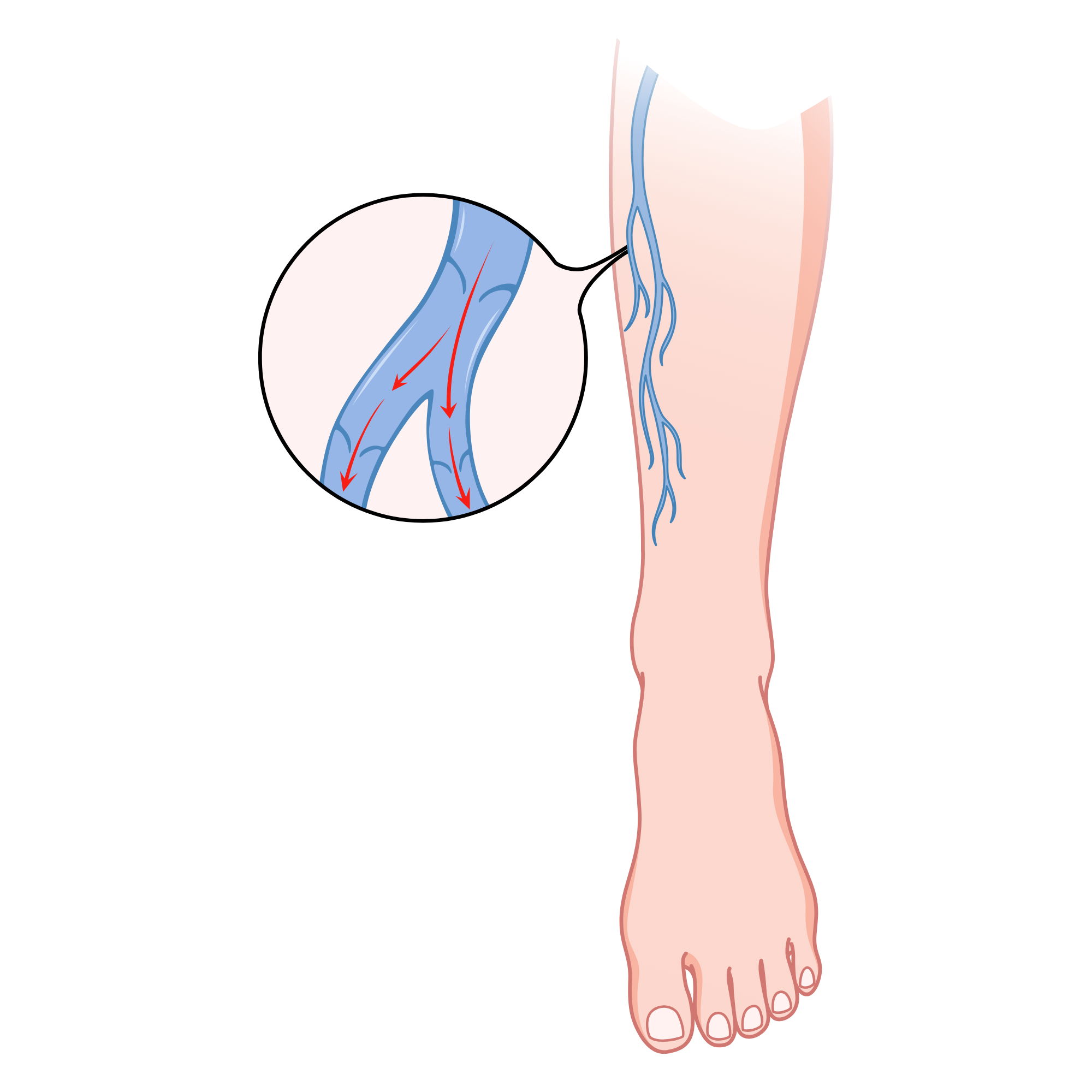 Varicose Veins
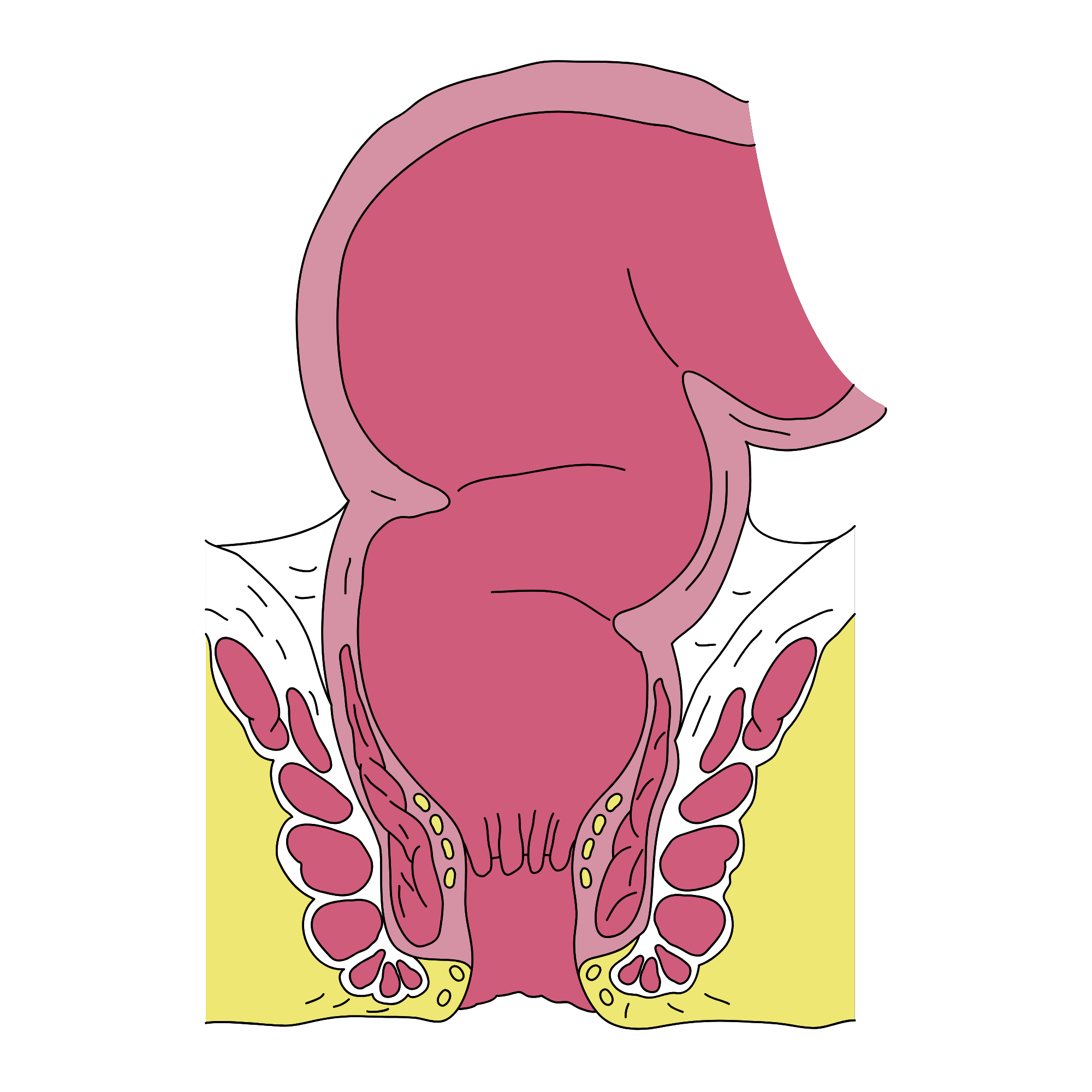 Laser Fistula
 Pilonidal Sinus
Twenty years ago, having an abdominal operation meant a 15-20 cm cut, a week in hospital, and two months of limited activity. Today, the same operation is done through three incisions each less than a centimetre long. The patient goes home the next morning and is back at a desk job within a week. This is the reality of modern minimally invasive surgery, and understanding it helps patients make better-informed decisions about their own care.
What Is Minimally Invasive Surgery?
Minimally invasive surgery (MIS) refers to any surgical technique that accesses the operating site through small incisions rather than one large opening. The two main forms in general surgery are:
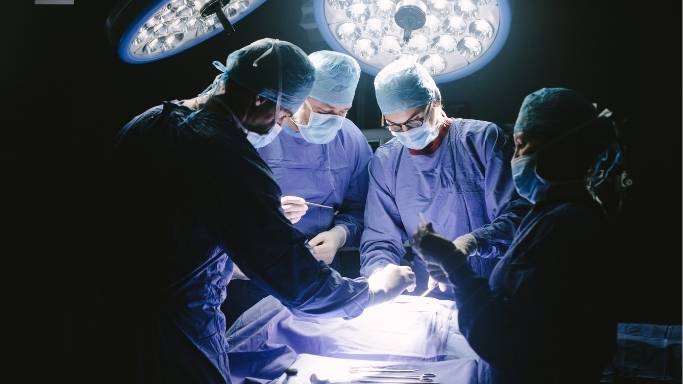
Laparoscopic surgery: The surgeon inserts a thin camera (laparoscope) through a small incision, creating a view of the operating field on a high-definition monitor. Surgical instruments are inserted through one to three additional small incisions. Carbon dioxide gas inflates the abdominal cavity to create space to work.
Laser-based procedures: Laser energy delivered through a fine fibre treats internal structures without cutting. Used for haemorrhoids, anal fissures, fistulas, and varicose veins.
A Brief History
The first laparoscopic cholecystectomy (gallbladder removal) was performed in France in 1987. Within a decade, it became the global standard for gallbladder surgery. The same revolution followed for hernia repair, appendix removal, and gynaecological surgery. Today, laparoscopic technique is used for complex colorectal surgery, bariatric surgery, and even some cardiac procedures.
Which Operations Can Be Done Laparoscopically?
In general and gastrointestinal surgery, most common operations are now routinely done laparoscopically:
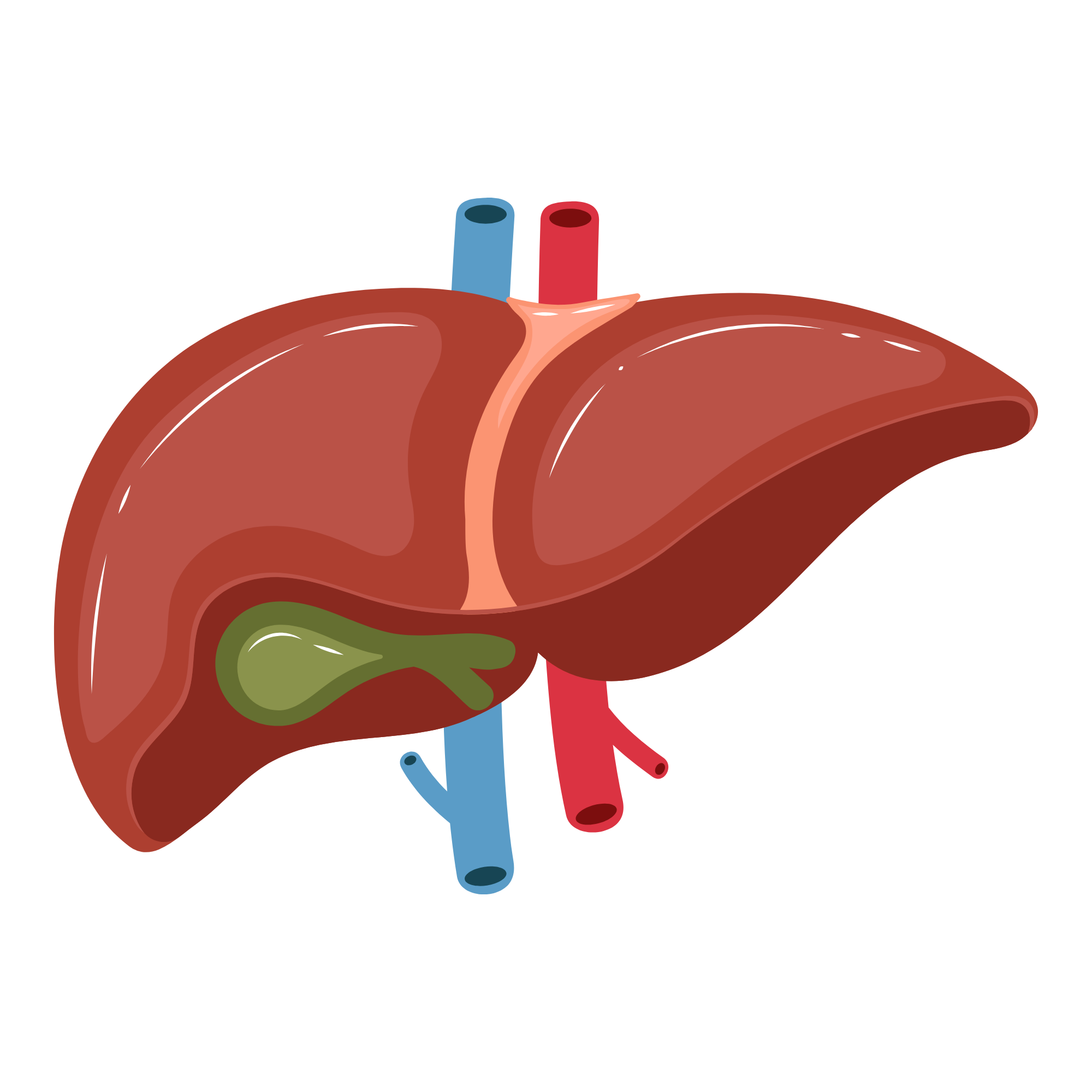
- Gallbladder removal (cholecystectomy)
- Appendix removal (appendicectomy)
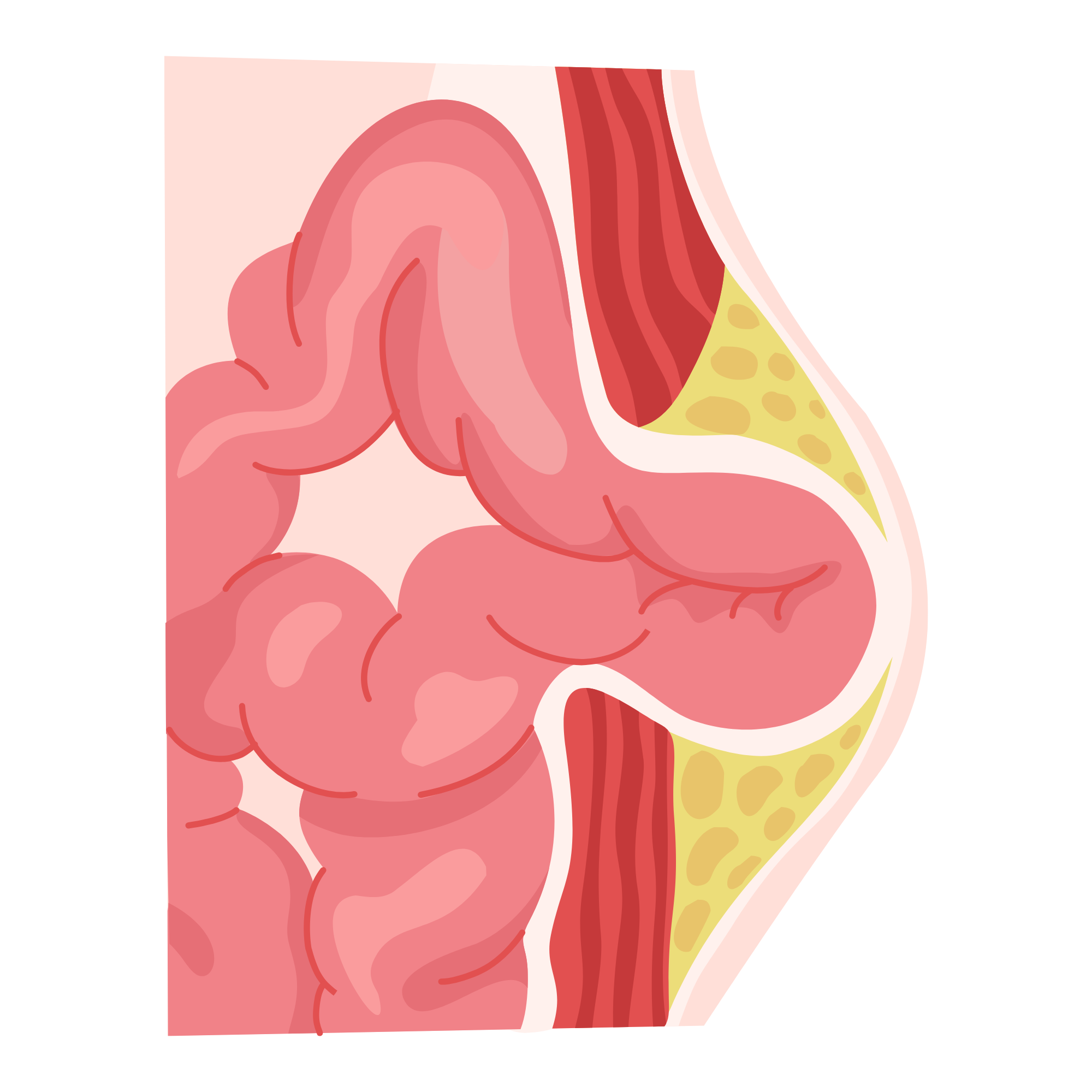
- Hernia repair (inguinal, umbilical, incisional)
- Bowel surgery (right hemicolectomy, sigmoid colectomy, anterior resection)
- Anti-reflux surgery (Nissen fundoplication for GORD)
- Hysterectomy and ovarian cystectomy
- Splenectomy and adrenalectomy
The Real Benefits for Patients
Less pain: Smaller incisions mean less tissue damage. The post-operative pain from a laparoscopic gallbladder operation is a fraction of what it was with open surgery. Most patients manage with paracetamol and ibuprofen.
Faster recovery: Returning to desk work in one to two weeks instead of six to eight weeks for open surgery is now the norm.
Lower infection risk: Smaller incisions mean a smaller area exposed to potential contamination. Wound infections are significantly less frequent than with open surgery.
Less blood loss: The laparoscope magnifies the operating field by up to ten times. This allows surgeons to identify and seal blood vessels precisely.
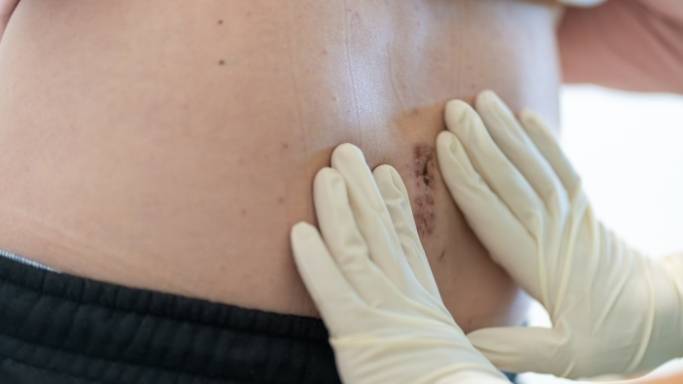
Better cosmesis: Three 0.5-1 cm scars are barely visible after healing, compared to a long scar that can cause ongoing discomfort.
What Are the Limitations?
Laparoscopic surgery is not suitable for every patient or every situation. Emergency surgery for a perforated viscus may be started laparoscopically but converted to open if the situation is too complex. Patients with extensive previous abdominal surgery have adhesions (scar tissue) that can make the laparoscopic approach difficult. Some advanced cancers require open surgery for proper clearance and lymph node sampling.
What Is Robotic Surgery?
Robotic surgery is an evolution of laparoscopic surgery. The surgeon sits at a console and controls robotic arms that hold and move the instruments with greater precision and a wider range of motion than the human wrist allows. It is particularly useful for complex procedures in tight spaces such as rectal surgery or prostatectomy. The robot does not operate independently: the surgeon controls every movement.
Questions to Ask Before Your Operation
When your surgeon recommends an operation, it is entirely reasonable to ask: Can this be done laparoscopically? What is your personal experience with the laparoscopic approach for this procedure? What are the chances of converting to open surgery, and what would trigger that decision?
A surgeon who does high volumes of laparoscopic surgery will generally recommend it when appropriate. If you are uncertain, a second opinion from a laparoscopic specialist is a reasonable step.
Frequently Asked Questions
Is laparoscopic surgery safe?
Yes. For all the procedures it is routinely used for, laparoscopic surgery has a safety profile equal to or better than open surgery. Complication rates are well-documented and low in experienced hands.
Does laparoscopic surgery cost more?
The operating time and equipment can be more expensive, so the surgical fee may be higher. However, the shorter hospital stay and faster recovery reduce the total economic cost considerably, including time off work.
Why do some surgeons still recommend open surgery?
Occasionally open surgery is genuinely the safer or more appropriate choice for a specific patient or condition. However, if you are young, otherwise healthy, and your condition is suitable for laparoscopy, it is worth clarifying why open surgery is being recommended.
Can I request laparoscopic surgery?
Yes. You can express a preference and your surgeon will explain whether it is feasible for your specific situation.
Looking for an experienced laparoscopic surgeon in Bangalore?
Dr. Prashanth J V has performed over 40,000 surgeries using minimally invasive techniques. Book a consultation to discuss your options.
Book a Consultation