 Gallbladder Surgery
 Appendicectomy
 Hernia Repair
 Hysterectomy
 Ovarian Cystectomy
 Tubectomy & Ectopic
 Laser Piles
 Laser Fissure
 Varicose Veins
 Laser Fistula
 Pilonidal Sinus
Many people notice something is not quite right and assume it is piles. Sometimes it is. But anal fissures and anal fistulas are separate conditions that look similar from the outside yet require completely different treatments. Getting the diagnosis wrong means getting the wrong treatment, which usually makes things worse.
What Are Piles (Haemorrhoids)?
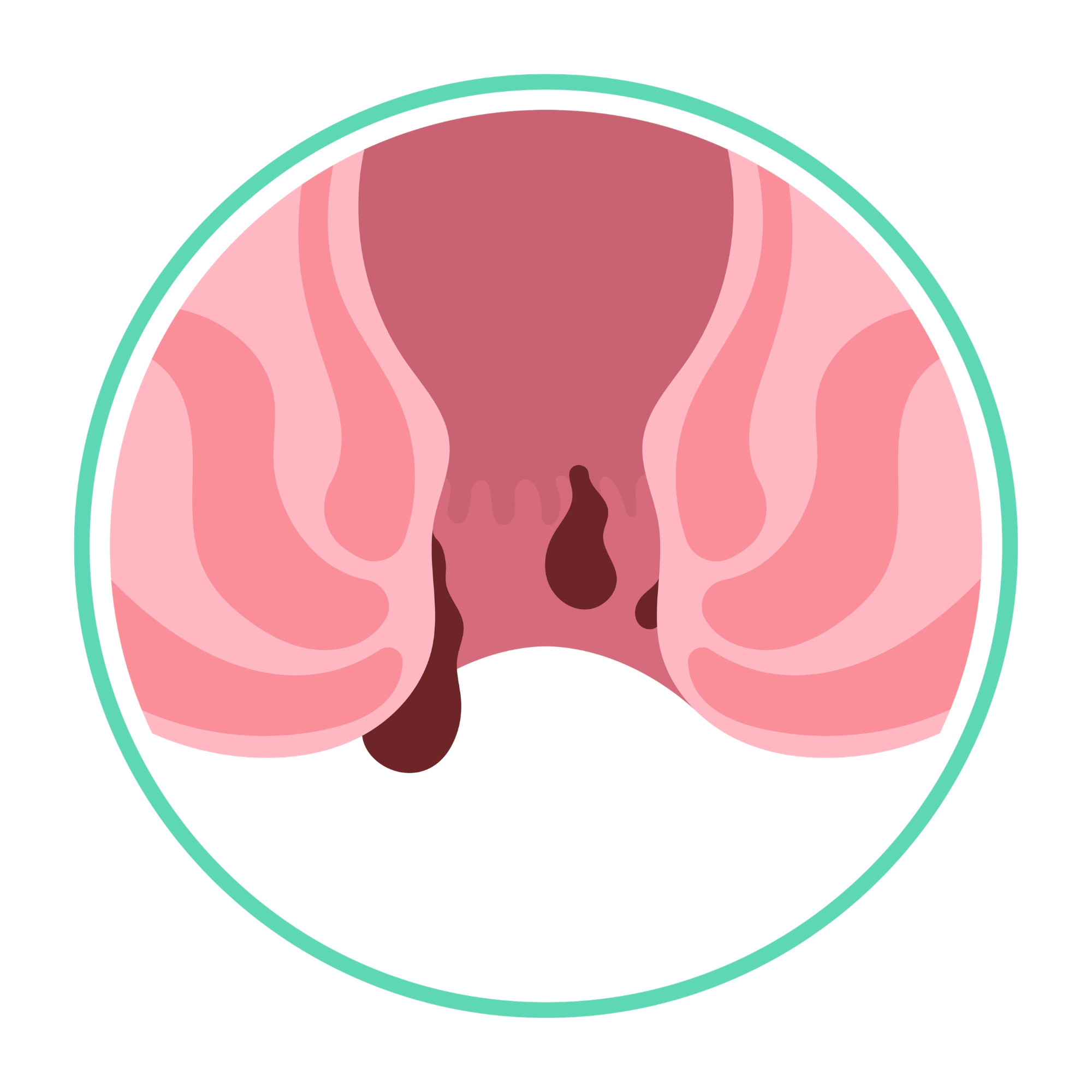
Piles are swollen blood vessels inside or around the anal canal. They develop when the veins in the lower rectum or anus come under repeated pressure. Pregnancy, chronic constipation, spending too long on the toilet, and a low-fibre diet are the most common causes.
There are two types. Internal piles form inside the rectum. You cannot see or feel them, but they may bleed during a bowel movement. External piles form under the skin around the anus and are often painful, especially if a blood clot forms inside (a thrombosed pile).
Internal piles are classified into four grades:
- Grade 1: Small swellings inside the lining. No protrusion. Usually only noticed when they bleed.
- Grade 2: Protrude during straining but return inside on their own.
- Grade 3: Come out during straining and need to be pushed back manually.
- Grade 4: Permanently prolapsed and cannot be pushed back inside.
Main symptoms: bright red blood on toilet paper, an itchy or sore anus, a soft lump around the anus, mucus discharge after passing stools.
What Is an Anal Fissure?
An anal fissure is a small tear in the lining of the anal canal. Think of it as a tiny paper cut inside the anus. The pain is often described as passing broken glass, and it can last for hours after a bowel movement.
Causes: passing a hard stool (tears the delicate lining), prolonged diarrhoea, childbirth, and occasionally inflammatory bowel disease.
- Acute fissure: Present for less than six weeks, clean edges, usually heals with treatment.
- Chronic fissure: Present for more than six weeks. Develops a skin tag at the lower end. Does not heal easily without medical help.
Main symptoms: sharp burning or tearing pain during and after bowel movements, small amounts of bright red blood on toilet paper, a visible crack in the skin, muscle spasm of the internal anal sphincter.
What Is an Anal Fistula?
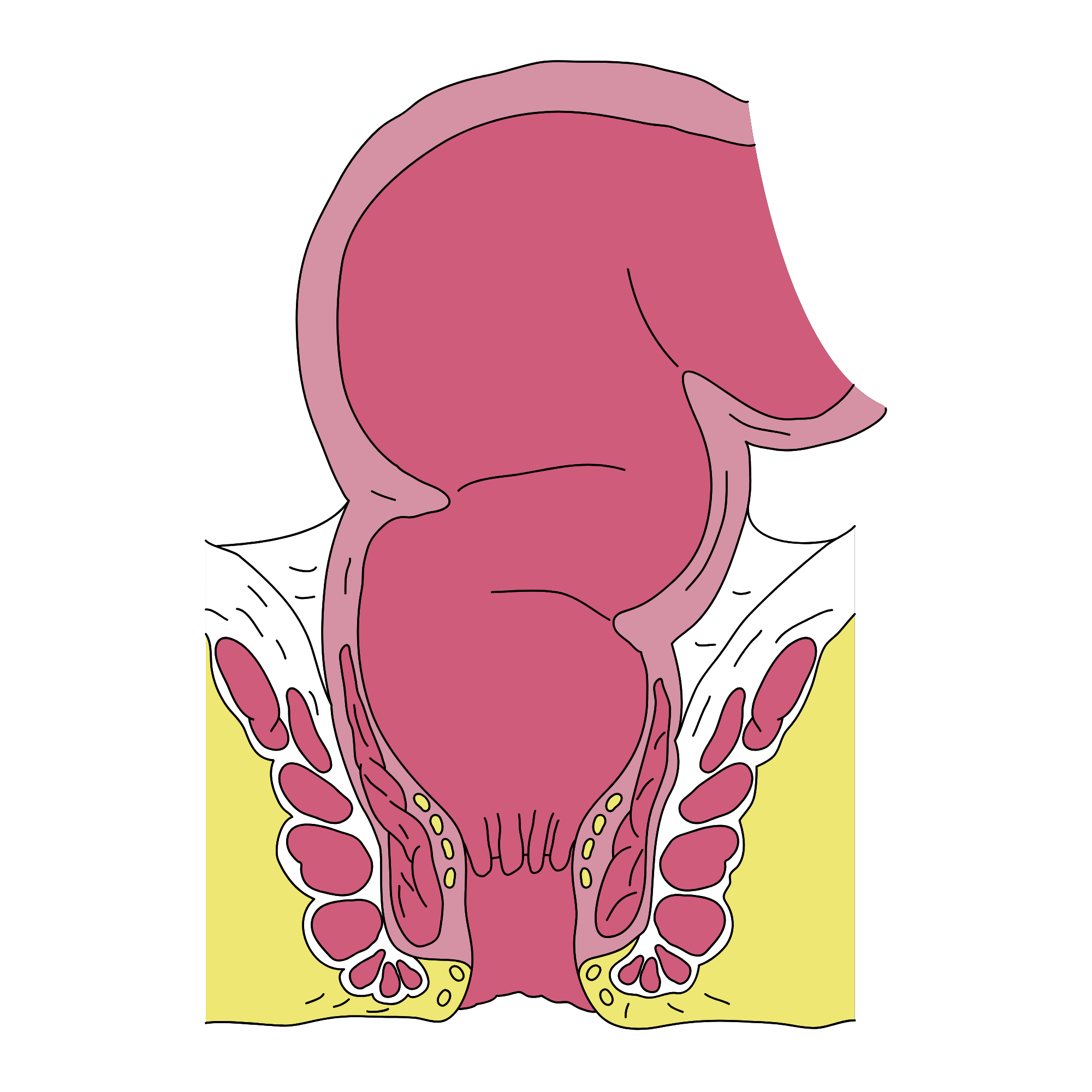
An anal fistula is an abnormal tunnel between the inside of the anal canal and the skin around the anus. It almost always develops after an anal abscess. When the abscess drains, it sometimes leaves behind this tunnel rather than closing completely.
Important: A fistula does not go away on its own. There is no cream, diet change, or medication that closes a fistula permanently. It requires surgery.
Main symptoms: persistent throbbing pain around the anus, swelling and redness, discharge of pus or blood through a small visible opening near the anus, skin irritation, and sometimes fever if a new abscess has formed.
How Do You Tell Them Apart?
| Feature | Piles | Fissure | Fistula |
|---|---|---|---|
| Main symptom | Bleeding, lump, itch | Severe pain during/after passing stools | Pus or discharge, external opening |
| Blood | Bright red, painless | Bright red, with pain | Possible, mixed with pus |
| Pain level | Mild to moderate | Severe, burning | Throbbing, persistent |
| External sign | Soft lump | Visible crack in skin | Small hole near anus |
| Heals on its own? | Grade 1-2 may improve | Acute fissures often do | Never |
| Treatment | Diet, medications, laser or surgery | Creams, Botox, or surgery | Surgery always required |
When Should You See a Doctor?
See a surgeon if you notice rectal bleeding for the first time (always needs investigation to rule out anything sinister like cancer), if pain is severe or has not settled after two weeks, if you see pus or discharge near the anus.
All three conditions are very treatable when caught early. They become more complex, more painful, and more expensive to treat the longer they are left.
A Note on Self-Diagnosis
Many people spend months treating what they think are piles when they actually have a fissure. The symptoms overlap enough to confuse even careful people. A five-minute examination by an experienced surgeon is all it takes to get the right diagnosis. Please do not rely on internet self-diagnosis for any anorectal condition.
Frequently Asked Questions
Can I have piles and a fissure at the same time?
Yes. It is possible to have more than one condition simultaneously, and this is fairly common in patients who have had chronic constipation for a long time.
Do fissures need surgery?
Most acute (new) fissures heal with conservative treatment: stool softeners, high-fibre diet, warm sitz baths, and glyceryl trinitrate cream. Chronic fissures often need either Botox injection into the sphincter muscle or a small operation called lateral internal sphincterotomy.
Is a skin tag the same as a pile?
No. Skin tags are loose flaps of skin around the anus, often the remnant of a thrombosed external pile or a healed fissure. They are harmless but can be removed if they cause hygiene problems or discomfort.
How is a fistula diagnosed?
An experienced surgeon can usually identify a fistula on clinical examination. An MRI scan of the pelvis is then ordered as it gives a detailed map of the fistula tract and any associated collections, which is required to plan the surgery.
Not sure which condition you have?
A single consultation with Dr. Prashanth J V provides a clear diagnosis and a personalised treatment plan, covering conditions such as piles, fissure, fistula, and early detection of rectal and colon cancer.
Book a Consultation