 Gallbladder Surgery
 Appendicectomy
 Hernia Repair
 Hysterectomy
 Ovarian Cystectomy
 Tubectomy & Ectopic
 Laser Piles
 Laser Fissure
 Varicose Veins
 Laser Fistula
 Pilonidal Sinus
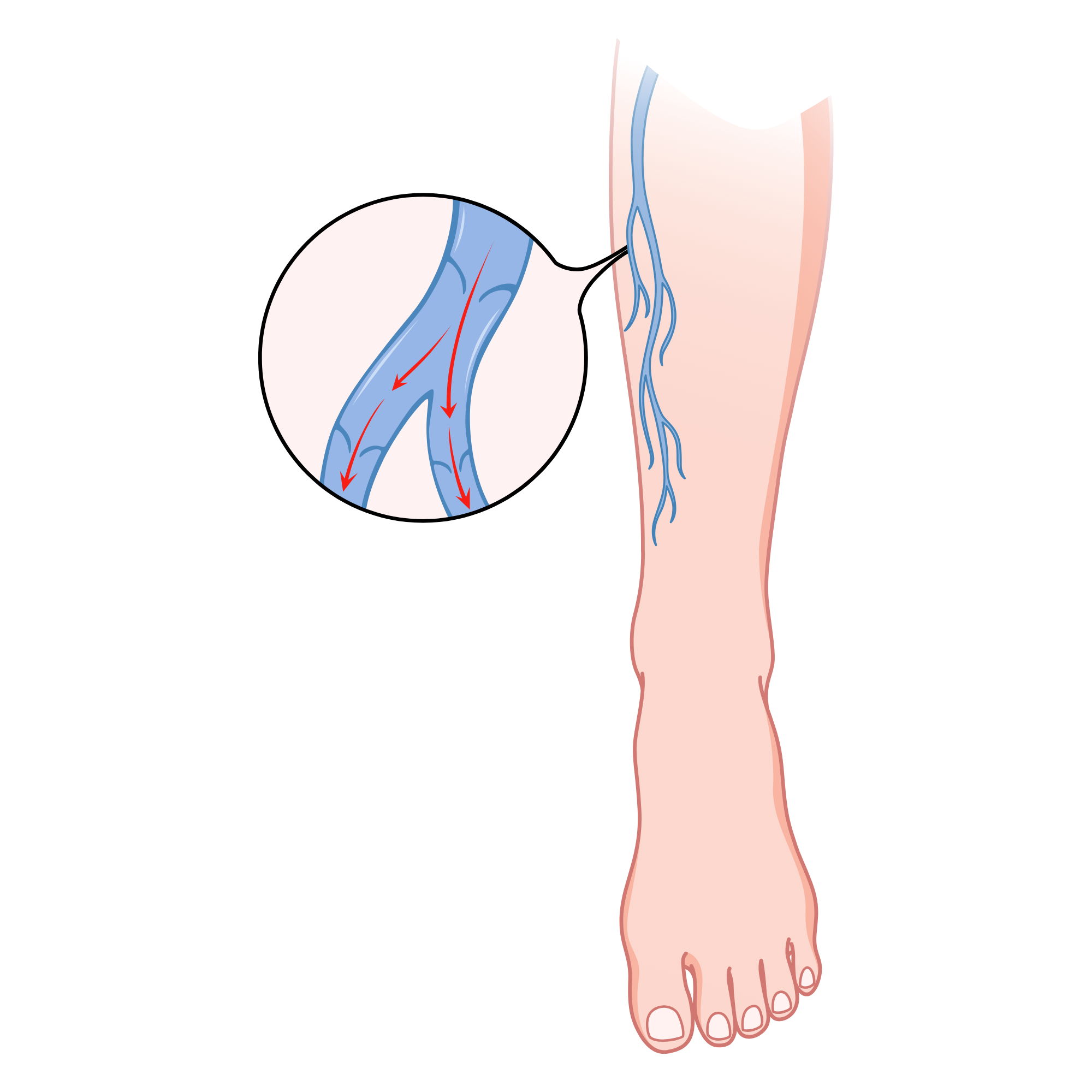
Most people with varicose veins have lived with them for years. They are uncomfortable, sometimes unsightly, and easy to put off dealing with. But varicose veins are not just a cosmetic issue. They are a sign that the valves inside your leg veins have stopped working properly. Left untreated, they can progress to something more serious.
Here are five signs that your varicose veins need a specialist's attention now, not at some point in the future.
1. Your Skin Around the Ankle Is Changing Colour or Texture
This is one of the most important warning signs and one that many people miss. When vein pressure has been high for a long time, it starts to damage the skin and tissue nearby. You may notice brown or reddish discolouration around the ankle or lower shin, caused by iron deposits from red blood cells that leak out of the high-pressure veins. The skin may also feel hard or leathery (lipodermatosclerosis), or develop itchy, inflamed patches that look like eczema (venous eczema).
These changes mean the tissue is under chronic stress. The next step, without treatment, is often a venous leg ulcer.
2. You Have a Leg Ulcer or a Wound That Will Not Heal
A venous leg ulcer is an open wound on the lower leg or ankle that has been present for more than two weeks and shows no sign of closing. It usually forms just above the inner ankle, and the skin around it is typically discoloured.
Venous ulcers account for roughly 80% of all chronic leg ulcers. They are extremely difficult to heal until the underlying venous problem is treated. If any wound on your lower leg is not closing, see a vascular surgeon.
3. A Varicose Vein Has Become Red, Warm, and Tender
This is called superficial thrombophlebitis: a clot forming inside a varicose vein. The vein and the skin over it become red, warm to touch, and painful. You may feel a firm cord under the skin where the vein runs.
This needs medical attention promptly. While superficial thrombophlebitis is less dangerous than a deep vein thrombosis (DVT), the clot can sometimes extend into the deep veins. Treatment usually involves anti-inflammatory medication, compression, and close monitoring.
4. You Had Sudden Bleeding from a Varicose Vein
Varicose veins that are close to the skin surface can rupture and bleed, sometimes with minimal trauma. The bleeding can be brisk because the pressure inside the vein is high.
If a varicose vein bleeds: lie down and elevate the leg above the level of your heart, apply firm direct pressure with a clean cloth. The bleeding usually stops within a few minutes. Go to a doctor the same day even if the bleeding has stopped. A varicose vein that has bled once is more likely to bleed again.
5. Your Legs Ache, Swell, or Feel Heavy Every Evening
This symptom is so common that many people assume it is normal. It is not. Aching, heaviness, and swelling in the lower legs that worsens throughout the day and improves when you elevate your legs overnight is a classic symptom of venous insufficiency.
Left untreated, the swelling becomes more persistent, skin changes follow, and the condition becomes harder and more expensive to treat. Early treatment with EVLA laser is a straightforward outpatient procedure. Waiting until you develop skin changes or ulcers means a longer treatment process.
Who Is at Higher Risk?
Varicose veins are more likely to progress if you have had them for more than five years without treatment, stand for long periods as part of your job, are overweight, have a family history of varicose veins, have had one or more pregnancies, or have previously had a DVT.
Frequently Asked Questions
My doctor says my varicose veins are just cosmetic. Should I get a second opinion?
If you have symptoms such as aching, heaviness, swelling, or skin changes, the veins are not purely cosmetic.
Can compression stockings cure varicose veins?
No. Compression stockings manage symptoms (reduce swelling, relieve aching) but they do not treat the underlying problem. The faulty valves remain faulty. Stockings are a management tool, not a cure.
Do varicose veins in pregnancy need treatment?
Most varicose veins that appear during pregnancy improve significantly in the three to six months after delivery. Treatment is usually deferred until after the postpartum period unless there are complications.
Concerned about your varicose veins?
A duplex ultrasound scan maps your veins accurately. Book a vascular consultation with Dr. Prashanth J V today.
Book a Consultation
Read Next
For the full clinical picture, including CEAP staging, Duplex ultrasound diagnosis, how endovenous laser treatment is performed, recovery, cost factors and insurance, see our complete guide to varicose vein treatment in Bangalore.