Minimally invasive mesh repair for all hernia types, inguinal, umbilical, and incisional, with faster recovery and lower recurrence rates than open surgery.


Hernia at a Glance
A hernia happens when an organ or a bit of fatty tissue pushes through a weak point in the muscle wall around it. The groin, belly button and old surgical scars are the most common places for this to happen. The four main types are the inguinal hernia (groin), umbilical hernia (belly button), incisional hernia (through a previous surgical scar) and femoral hernia (upper inner thigh).
Hernias do not go away on their own. Left alone, they tend to get bigger and more uncomfortable. In some cases the trapped tissue loses its blood supply, a condition called strangulation, which is a medical emergency that needs surgery right away.
Keyhole (laparoscopic) repair is now the preferred approach for most hernias. The surgeon works through three small cuts, guided by a camera. A synthetic mesh is placed over the weak spot and stitched in place, reinforcing the wall so the hernia cannot come back. Recurrence rates are below 2 to 3 percent.
Book a consultation with Dr. Prashanth J V today.
Book Consultation 📞 +91 93533 16175The entire procedure is performed under general anaesthesia and takes 45 to 90 minutes depending on the hernia type and complexity. You are completely comfortable throughout.
You will be under general anaesthesia, so you are completely asleep and comfortable. The technique used depends on the hernia: TEP (Totally Extraperitoneal) stays outside the abdominal cavity, while TAPP (Trans-Abdominal Pre-Peritoneal) briefly enters it for a wider view.
Three incisions, each 5 to 12 mm, are made in the abdomen. One is at the navel for the camera, and two are for the surgical instruments. The laparoscope sends a magnified, high-definition view to a screen in the operating theatre.
The protruding tissue is gently guided back into the abdominal cavity. The hernia sac is separated from the surrounding structures and either removed or tucked away, preparing the area cleanly for mesh placement.
A lightweight, body-compatible mesh is laid over the defect and secured with small tacks or sutures. The mesh acts as a scaffold; over the following weeks, the body's own tissue grows into it to create a strong, lasting repair.
The port sites are closed with dissolving stitches and small dressings. Most patients are walking around within a few hours and are ready to go home the same day or after one overnight stay.
Mild soreness around the cuts. Walking is encouraged the same day. Start with liquids and move to soft foods as you feel ready.
Pain managed with tablets. Short walks, light household tasks and personal care are fine. Stitches dissolve by themselves.
Most people return to desk work and can drive again. A follow-up visit checks wound healing and confirms the mesh is settling correctly.
Gradual return to the gym, sport and heavier lifting. The mesh is fully integrated into the wall and the long-term repair is holding well.
Hernias are named by where they occur. The location determines both the risk they carry and how they are best repaired.
| Type | Where it occurs | Notes |
|---|---|---|
| Inguinal | In the groin, above the crease. By far the most common, particularly in men. | May be indirect, following the natural canal, or direct, pushing through a weak area. |
| Femoral | In the groin, below the crease. More common in women. | Carries a notably higher risk of strangulation, so repair is advised even when symptoms are mild. |
| Umbilical | At the navel. | Common in infants, where many close spontaneously, and in adults, where they do not. |
| Paraumbilical | Just above or below the navel. | Typically in adults, associated with raised abdominal pressure. |
| Epigastric | In the midline between the navel and the breastbone. | Often small and contains fat rather than bowel, but can be surprisingly painful. |
| Incisional | Through the scar of a previous abdominal operation. | The abdominal wall never regains full strength at a scar. Repair can be complex. |
Reducible, incarcerated or strangulated. A reducible hernia can be pushed back, and this is the usual state. An incarcerated hernia is stuck but the blood supply is intact. A strangulated hernia has had its blood supply cut off, and the trapped tissue begins to die. That last state is an emergency.
These features suggest incarceration or strangulation. Do not wait for a scheduled appointment. Attend the nearest emergency department, because delay in this situation risks losing a segment of bowel.
Every hernia results from the same combination: a weak point in the abdominal wall, and pressure inside the abdomen pushing against it. Some weak points are natural, such as the inguinal canal through which structures pass into the scrotum. Others are acquired, such as a surgical scar.
Inguinal hernias are considerably more common in men because of the anatomy of the inguinal canal.
Muscle and connective tissue lose strength and elasticity over time.
Smokers and people with chronic lung disease generate repeated surges of abdominal pressure.
Long-standing constipation places sustained pressure on weak areas of the abdominal wall.
Prostatic enlargement in older men is a recognised and often overlooked contributor.
Particularly repetitive lifting at work, and lifting with poor technique.
Any incision creates a permanently weaker area, which is how incisional hernias form.
Raises baseline intra-abdominal pressure and complicates repair.
Impairs collagen quality and wound healing, and is linked to higher recurrence after repair.
Inherited differences in collagen strength predispose to hernia formation.
Addressing the contributing factors matters, particularly before surgery. Repairing a hernia in someone with an untreated chronic cough or significant prostatic obstruction, without dealing with those problems, invites recurrence.
Most hernias are diagnosed on examination alone, and imaging is not always necessary.
History. The typical account is of a lump that appears on standing, coughing or straining and disappears on lying down, with a dragging or aching discomfort that is worse at the end of the day. Sudden severe pain in a previously comfortable hernia is a different story and needs urgent attention.
Examination. The groin and abdominal wall are examined both lying and standing, since a small hernia may not be apparent lying down. A cough impulse is felt over the swelling. The examination also establishes whether the hernia reduces, and distinguishes an inguinal from a femoral hernia by its relationship to the pubic tubercle. That distinction matters because femoral hernias carry a higher risk of strangulation.
Ultrasound. Useful where a hernia is suspected but not clearly felt, for example in a heavier patient or where groin pain is present without an obvious lump. It is performed with the patient straining, which brings out an intermittent hernia.
CT scan. Reserved for complex, recurrent or large incisional hernias, where it defines the size of the defect, the contents of the sac and the state of the abdominal wall muscles. This information genuinely changes the operative plan in complex cases.
Laparoscopic repair suits most straightforward hernias and is particularly advantageous for hernias on both sides and for recurrent hernias after previous open surgery, because it approaches the defect through undisturbed tissue planes.
| Usually suitable | Needs discussion first |
|---|---|
| Inguinal hernia on one or both sides | A strangulated hernia, which is an emergency and may require an open approach |
| Recurrent hernia after previous open repair | Extensive previous lower abdominal or pelvic surgery, which distorts the planes |
| Umbilical, paraumbilical and many incisional hernias | Very large hernias with loss of abdominal domain, which need specialised planning |
| Patients who want the shortest possible recovery | Significant heart or lung disease, since the approach requires general anaesthesia |
| Fit for general anaesthesia | Advanced cirrhosis with ascites, or other conditions affecting healing |
A word on watchful waiting. For a man with a small inguinal hernia causing few or no symptoms, delaying surgery and monitoring is a reasonable, evidence-supported option. It is worth knowing that most such patients develop symptoms over the following years and eventually choose repair. Watchful waiting is not advised for femoral hernias, or for any hernia that is symptomatic, enlarging or difficult to reduce.
Noticed a lump in the groin or near the navel?
An examination confirms whether it is a hernia, which type, and whether repair is advisable now. If the lump becomes hard, painful and cannot be pushed back, seek emergency care the same day.
Preparation for an elective hernia repair is straightforward, and some of it genuinely affects the durability of the result.
Hernia repair is one of the most frequently performed operations in the world and is generally very safe. Two risks deserve particular emphasis because they are the ones patients most often are not told about: recurrence, and chronic groin pain.
| Effect | How often | What it means |
|---|---|---|
| Bruising and swelling | Common | Around the wound and, after inguinal repair, sometimes tracking into the scrotum. Settles over two to three weeks. |
| Seroma | Common | A collection of clear fluid at the repair site that feels like the hernia has returned. Usually resolves without intervention. |
| Discomfort on movement | Common | Pulling or tightness for a few weeks as tissues heal around the mesh. |
| Difficulty passing urine | Occasional | More frequent after groin repair and spinal anaesthesia. Usually temporary. |
| Chronic groin pain | Occasional and important | Persistent discomfort beyond three months, usually from nerve irritation. Most cases are mild, but it is the commonest long-term complaint after inguinal repair. |
| Recurrence | Uncommon | The hernia returns. More likely with smoking, obesity, chronic cough and heavy manual work. |
| Wound infection | Uncommon | Usually superficial and treated with antibiotics. |
| Injury to nearby structures | Rare | Including the vas deferens, testicular vessels, bladder or bowel. |
| Mesh infection | Rare | May require removal of the mesh, which is why sterile technique and antibiotic prophylaxis matter. |
The main decision is between an open and a laparoscopic approach. Both are legitimate, and the right choice depends on the hernia and the patient rather than on one method being universally superior.
| Approach | How it works | Anaesthesia | Return to work | Best suited to |
|---|---|---|---|---|
| Watchful waiting | No operation. The hernia is monitored and repaired if symptoms develop. | None | Not applicable | Small, minimally symptomatic inguinal hernias in men. |
| Open mesh repair (Lichtenstein) | A single incision over the hernia. A mesh is placed to reinforce the wall without tension. | Spinal, general or local | 1 to 3 weeks | Most inguinal hernias. Suitable where general anaesthesia is best avoided. |
| Laparoscopic TEP | Keyhole repair in the plane outside the abdominal cavity, so the cavity is not entered. | General | About 1 week | Bilateral and recurrent inguinal hernias. |
| Laparoscopic TAPP | Keyhole repair from inside the abdominal cavity, with the peritoneum closed over the mesh. | General | About 1 week | Larger or incarcerated hernias, and where anatomy needs to be inspected. |
| Open suture repair | The defect is closed with stitches alone, without mesh. | Varies | Varies | Small umbilical or epigastric defects, and situations where mesh is unsuitable. |
| Complex incisional repair | Component separation or specialised mesh placement to reconstruct the abdominal wall. | General | 4 to 6 weeks | Large incisional hernias with substantial loss of abdominal wall. |
Laparoscopic repair generally offers less post-operative pain and a faster return to work, while open repair avoids general anaesthesia and is well suited to a first-time, one-sided hernia. Long-term recurrence rates are broadly comparable in experienced hands.
Hernias do not resolve and they do not stay the same indefinitely. The abdominal wall defect gradually enlarges as more tissue is pushed through it.
It gets bigger. A small hernia that is easy to repair through a keyhole approach can become a large one requiring more extensive surgery. Timing is a genuine consideration.
Incarceration. Contents become stuck and can no longer be pushed back. This is uncomfortable and is the step immediately before strangulation.
Strangulation and bowel obstruction. The blood supply to trapped bowel is cut off. This causes severe pain, vomiting and distension, and requires emergency surgery. A segment of bowel may need to be removed. Emergency repair carries substantially higher risk than a planned operation, which is the single strongest argument for elective repair.
Daily limitation. Short of any emergency, most people with an untreated hernia quietly restrict lifting, exercise and activity around it, often without fully registering how much they have given up.
The mesh is incorporated by scar tissue over several weeks, and that period determines the strength of the final result. What you do afterwards genuinely influences whether the repair lasts.
A firm swelling at the repair site in the first weeks is more often a seroma, a collection of fluid, than a recurrence. It is worth having it checked rather than assuming the worst, since seromas almost always settle on their own.
#38/2, 2nd Main Road, Madiwala New Extension, Bangalore 560068, behind Ayyappa Temple. Convenient for BTM Layout, Koramangala, HSR Layout, Bommanahalli and Hosur Road.
Dr. Prashanth J V also consults in Koramangala, Jayanagar and Seshadripuram. When you call, the team will confirm the most convenient location for a hernia.
Consultations are by appointment. Call +91 93533 16175 or request an appointment online.
Hundreds of laparoscopic hernia repairs performed using both TEP and TAPP techniques, with consistently low recurrence and complication rates.
Whether your hernia calls for TEP, TAPP or open repair, the choice is made based on your specific anatomy, hernia size and history. Not a one-size-fits-all decision.
Every consultation covers your options honestly. You leave knowing exactly what the surgery involves, what recovery looks like and what results to expect.
Medical References & Further Reading
This page is written and medically reviewed by Dr. Prashanth J V, MBBS, MS, FMAS, FISCP, DMAS, Karnataka Medical Council Registration No. 41048. It is general health information about abdominal wall hernia and does not replace an individual consultation, examination and investigation. If you have symptoms, please seek personalised medical advice.
 Gallbladder Surgery
 Appendicectomy
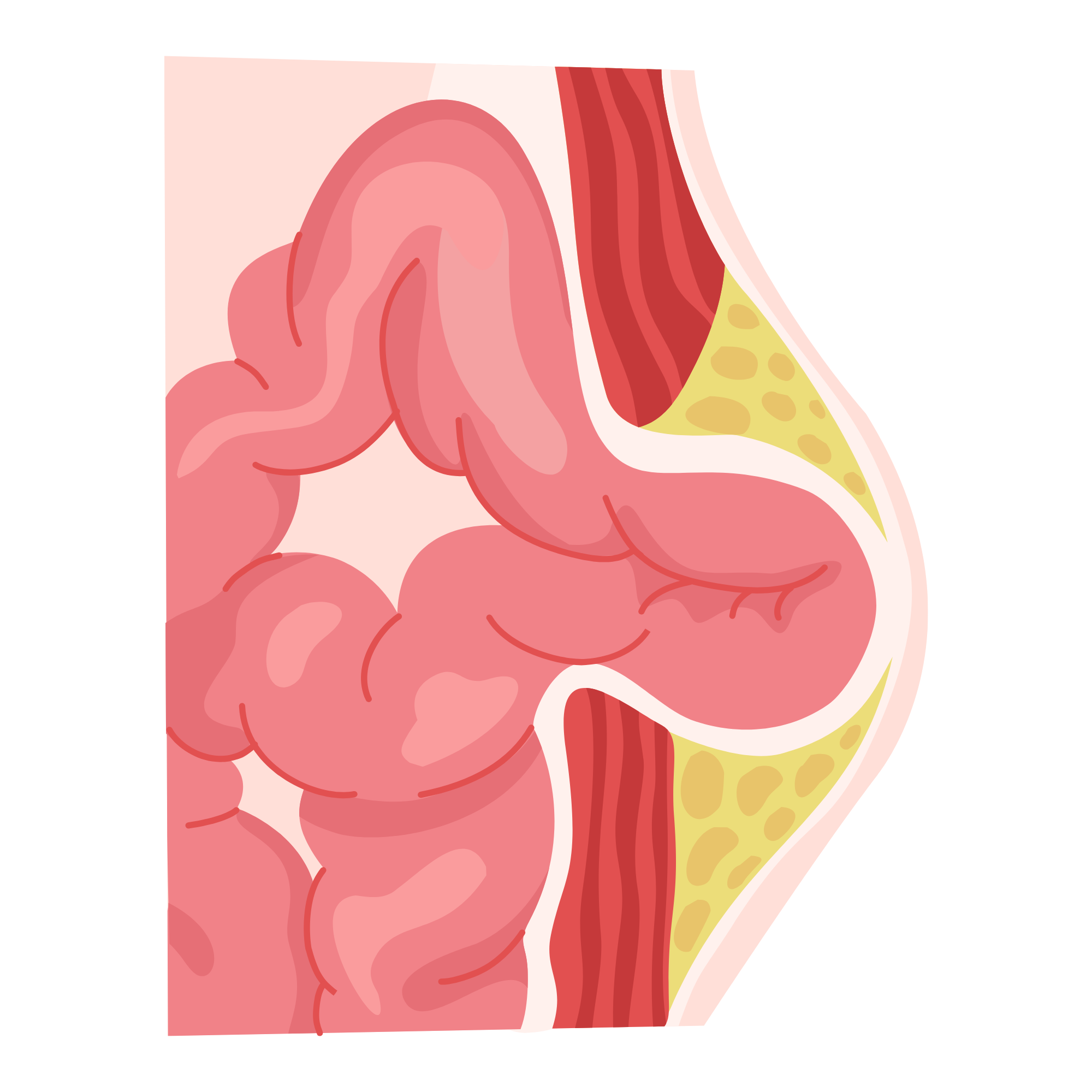 Hernia Repair
 Hysterectomy
 Ovarian Cystectomy
 Tubectomy & Ectopic
 Laser Piles
 Laser Fissure
 Varicose Veins
 Laser Fistula
 Pilonidal Sinus