 Gallbladder Surgery
 Appendicectomy
 Hernia Repair
 Hysterectomy
 Ovarian Cystectomy
 Tubectomy & Ectopic
 Laser Piles
 Laser Fissure
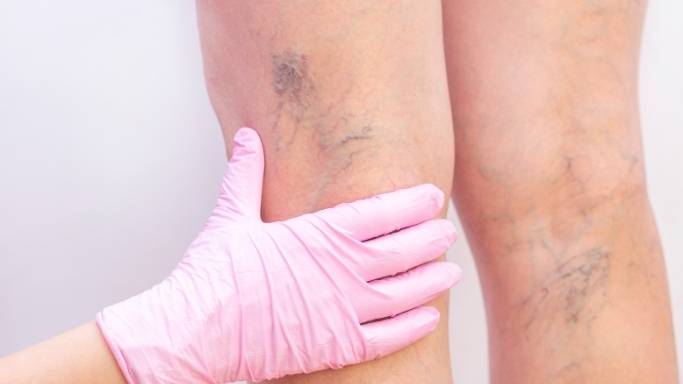
 Varicose Veins
 Laser Fistula
 Pilonidal Sinus
Many women notice varicose veins for the first time during pregnancy, or find that veins they already had become larger and more uncomfortable. It is common, and in most cases it is not dangerous. But it raises fair questions: is it safe, what helps, will the veins go away, and should anything be done about them?
In brief: pregnancy puts extra strain on the leg veins. Stockings, walking, leg elevation and sleeping on your side ease the symptoms safely. Procedures are deferred until after delivery, because many veins improve on their own. Know the warning signs of a clot, which needs urgent care.
Why Pregnancy Causes Varicose Veins
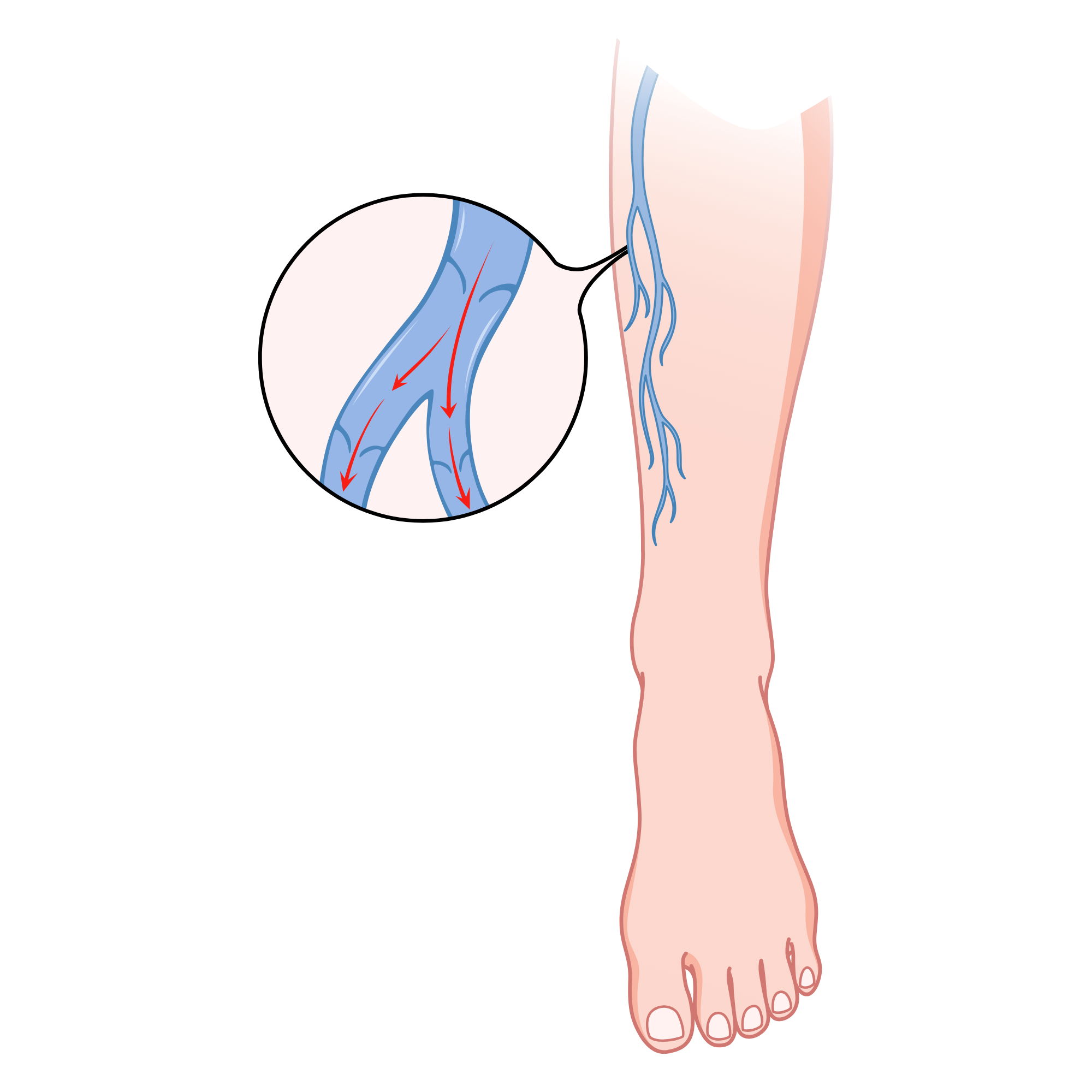
Three changes work together. First, the volume of blood in the body rises substantially, so the veins carry more. Second, pregnancy hormones, particularly progesterone, relax the walls of the veins, making them stretch more easily and making the valves inside them less effective. Third, as the womb grows it presses on the large veins in the pelvis, raising the pressure in the leg veins below.
A family history of varicose veins, a previous pregnancy, carrying twins, and long hours of standing all make them more likely.
Where They Appear
Most often on the calves and the inside of the thigh. Some women also develop varicose veins of the vulva, which can cause a feeling of heaviness or aching in the pelvis, especially after standing. These are common, usually settle after delivery, and do not normally prevent a vaginal birth, though you should mention them to your obstetrician. Haemorrhoids, which are also common in pregnancy, are another form of swollen vein.
Safe Ways to Ease the Symptoms
- Graduated compression stockings. Properly fitted maternity-suitable stockings, put on first thing in the morning, are the most effective way to relieve aching and swelling.
- Walk every day. Calf muscles pump blood out of the legs. Gentle regular walking is one of the best things you can do.
- Avoid long periods standing still or sitting with your legs down. If your job keeps you on your feet, take short breaks to walk or sit with your feet raised.
- Raise your legs when you rest, ideally to around the level of your hips or higher.
- Sleep on your side, preferably the left, which takes the weight of the womb off the large vein on the right side of the abdomen.
- Don't cross your legs for long periods, and avoid tight waistbands or socks that leave deep marks.
- Stay active and well hydrated, which also helps prevent constipation, and with it, piles.
Avoid applying oils or massaging firmly over a vein that is hard, red or tender, as it may contain a clot.
Know the Warning Signs of a Clot
Pregnancy and the weeks after birth carry a higher risk of deep vein thrombosis (DVT), a clot in the deep veins of the leg. Varicose veins themselves are only one of several risk factors, but every pregnant woman should know the signs. Seek same-day medical attention if you notice:
- Pain, swelling, warmth or redness in one leg, especially the calf or thigh
- A varicose vein that becomes hard, hot, red and painful
Call for emergency help immediately if you develop sudden breathlessness, chest pain, or cough up blood, as these can be signs of a clot in the lungs. Your obstetric team assesses your clot risk during pregnancy and after delivery, and may recommend preventive injections in some situations.
Will They Go Away After Delivery?
Often they improve a great deal. Over the months after birth, blood volume and hormone levels return to normal and the pressure on the pelvic veins is relieved. Many veins shrink noticeably; some disappear. Veins that were present before pregnancy, or that are still bulging and symptomatic several months after delivery, are less likely to resolve, and tend to return or worsen with each later pregnancy.
When to Consider Treatment
Procedures such as endovenous laser ablation and foam sclerotherapy are normally deferred during pregnancy, and many surgeons suggest waiting until breastfeeding has finished. If your veins are still causing symptoms some months after delivery, a Duplex ultrasound will show which veins are leaking, and whether treatment is worthwhile. If you plan more children, it is reasonable to discuss whether to treat now or after your family is complete.
Read more about how veins are assessed and treated in our guide to varicose vein treatment in Bangalore, and how to choose and wear compression stockings.
Frequently Asked Questions
Are varicose veins in pregnancy dangerous for my baby?
No. Varicose veins affect your circulation, not the baby's. They can be uncomfortable for you, and a clot in the legs needs prompt treatment, but the veins themselves do not harm the pregnancy.
Can I have laser treatment for varicose veins while pregnant?
Treatment is normally deferred until after delivery. Many pregnancy-related varicose veins improve in the months after birth, so it makes sense to wait and see what remains before deciding on any procedure.
Is it safe to wear compression stockings during pregnancy?
Yes, for most women. Properly fitted graduated stockings are a standard, safe way to ease aching and swelling. Ask your doctor first if you have diabetes, skin problems or any condition affecting the circulation in your legs.
Will my varicose veins be worse in my next pregnancy?
They often are, because each pregnancy puts the veins under strain again. If you plan more children, many women choose to wait until their family is complete before having veins treated, though treatment between pregnancies is possible.
Want to know what your legs need?
An examination and Duplex ultrasound show your stage of disease, which veins are leaking, and every option, including not treating. Costs and insurance are explained before you decide.
Request an AppointmentOr call +91 93533 16175
References
- Royal College of Obstetricians and Gynaecologists. Reducing the Risk of Venous Thromboembolism during Pregnancy and the Puerperium (Green-top Guideline No. 37a). rcog.org.uk
- National Institute for Health and Care Excellence. Varicose veins: diagnosis and management (CG168). nice.org.uk/guidance/cg168
- NHS. Common symptoms in pregnancy. nhs.uk/pregnancy
This article is general health information and does not replace an individual consultation, examination and Duplex ultrasound.