 Gallbladder Surgery
 Appendicectomy
 Hernia Repair
 Hysterectomy
 Ovarian Cystectomy
 Tubectomy & Ectopic
 Laser Piles
 Laser Fissure
 Varicose Veins
 Laser Fistula
 Pilonidal Sinus
Almost everyone who searches for varicose vein treatment asks the same question first: can I avoid surgery? It is a sensible question, and the honest answer has two parts.
First, nothing you can do at home, and no tablet or cream, will close a vein whose valves have failed. Second, the treatment most people now receive for varicose veins is not surgery in the sense they fear. There is no operation theatre stay, no general anaesthetic and no cut. Understanding both parts makes the decision much easier.
The short answer: stockings, walking and leg elevation genuinely relieve symptoms and slow progression. Creams, oils and supplements do not change the vein. If you want the vein itself treated, the modern options are needle-based procedures under local anaesthesia, not open surgery.
Why Varicose Veins Don't Reverse on Their Own
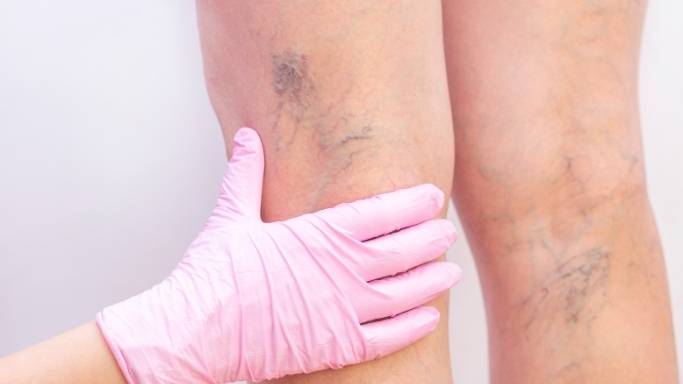
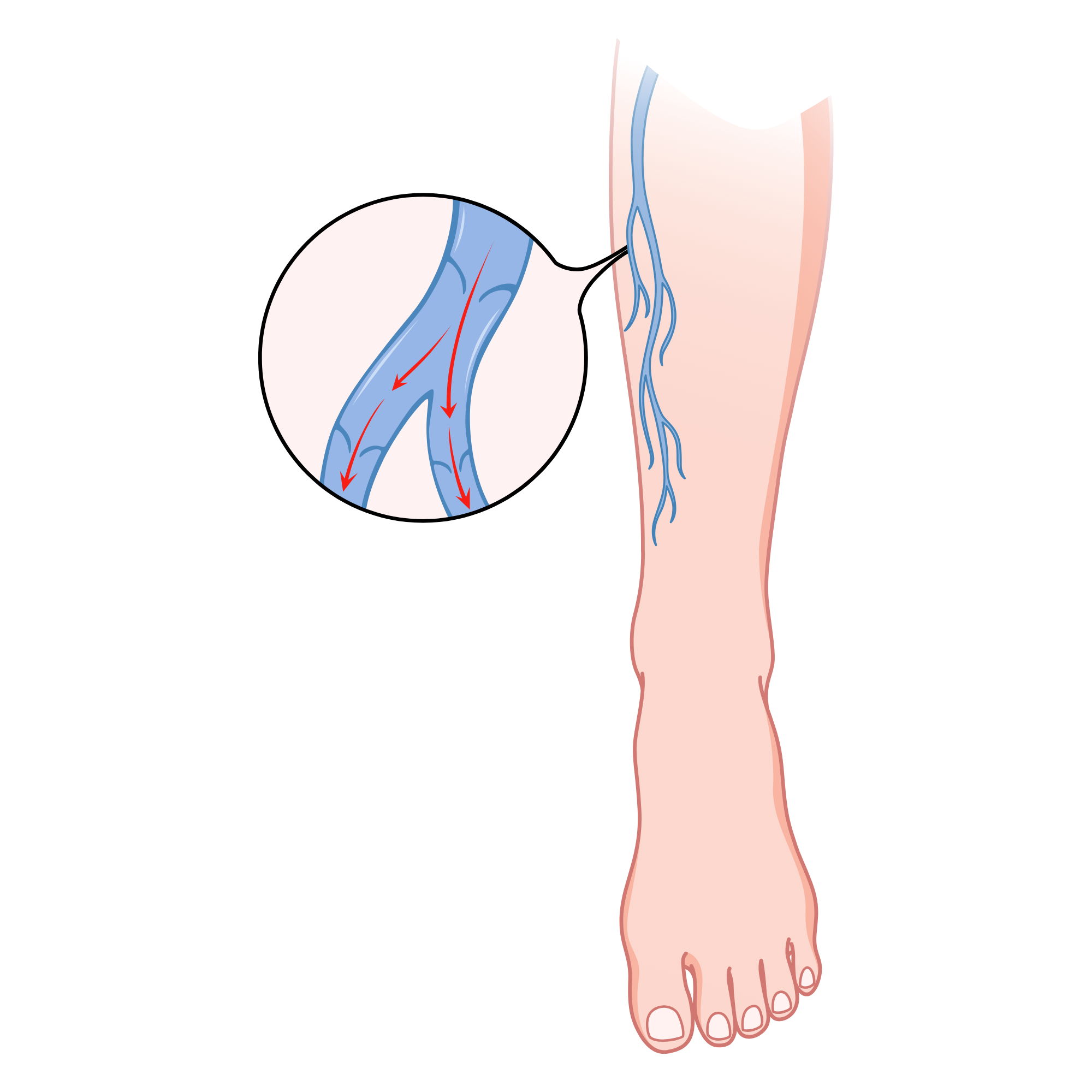
Leg veins carry blood upward against gravity, helped by one-way valves that stop it falling back. In varicose veins those valves no longer close properly. Blood refluxes downward, the pressure inside the vein rises, and the vein wall stretches until it bulges and twists.
A valve that has failed does not heal. That is why everything below is divided into two groups: measures that make the leg feel and function better while the faulty vein remains, and procedures that close the faulty vein so blood reroutes through healthy veins.
What Genuinely Helps Symptoms
Graduated compression stockings. Properly fitted medical stockings squeeze the leg most at the ankle and progressively less higher up, supporting the veins and reducing aching, heaviness and swelling. To work they must be the correct compression class and size, measured in the morning before the legs swell, and worn through the day. They need a check of the arterial circulation first, because compression is unsafe in significant arterial disease. Their limitation is simple: they help only while you are wearing them. Our compression stockings guide explains how to choose and wear them.
Walking and calf exercise. Your calf muscles are a pump. Each step squeezes blood out of the leg veins. Thirty minutes of walking a day, and heel raises during long periods at a desk or counter, measurably ease symptoms.
Elevating the legs. Raising the legs above heart level for fifteen minutes two or three times a day lets gravity drain the congested veins and reduces evening ankle swelling.
Breaking up long standing or sitting. Teachers, nurses, shop staff, traffic police and people at desks for long hours all keep the calf pump idle. Moving every thirty to forty-five minutes helps.
Keeping to a healthy weight and looking after the skin. Less abdominal pressure means less load on leg veins. Keeping the lower leg moisturised protects skin that is under strain, which matters because dry, cracked skin is where venous ulcers often begin.
Tablets for Varicose Veins
A group of medicines called venoactive drugs, which includes preparations of diosmin and hesperidin, is widely prescribed in India. European vascular guidelines consider them an option for easing symptoms such as heaviness, cramps and swelling. They do not close a leaking vein, they do not make visible veins disappear, and they do not stop the condition progressing. If they are prescribed, take them on a doctor's advice and for symptom relief, not in the hope of avoiding an assessment.
What Doesn't Work
- Creams, gels and oils, including herbal and ayurvedic preparations. They may feel soothing, but nothing applied to the skin reaches or repairs a valve inside the vein.
- Massage. Gentle massage is pleasant but changes nothing structurally, and firm massage over a hard, red, tender vein, which may contain a clot, should be avoided.
- Supplements and diets marketed as vein cures. A healthy diet helps weight and general health, but no food reverses valve failure.
- Waiting for them to settle. Outside pregnancy, established varicose veins do not resolve. They usually progress slowly, which is why they are easy to ignore until the skin is affected.
The Non-Surgical Procedures Most People Mean
When patients say they want treatment without surgery, what they usually want to avoid is a general anaesthetic, a hospital stay, incisions and weeks off work. Modern varicose vein treatment avoids all of those.
Endovenous laser ablation (EVLT). Under ultrasound guidance and local anaesthesia, a thin laser fibre is passed into the leaking vein through a needle puncture and seals it from inside. It takes about 45 to 60 minutes per leg, you walk out the same day, and most people return to desk work within a day or two. NICE guidance recommends endothermal ablation such as EVLT as the first-line treatment when ultrasound confirms reflux in the main superficial vein.
Foam sclerotherapy. A medicine mixed into a foam is injected into the vein under ultrasound guidance, causing it to close. It needs no anaesthetic and is useful for smaller branches, recurrent veins, and veins unsuitable for laser.
Ambulatory phlebectomy. Bulging surface veins are removed through tiny punctures under local anaesthesia, often at the same sitting as laser ablation.
Open surgery with vein stripping under general or spinal anaesthesia is now reserved for the small number of cases where these options are unsuitable.
When Conservative Care Is a Reasonable Choice
Not every varicose vein needs a procedure. Managing with stockings and lifestyle measures is reasonable when:
- You have spider veins or small varicose veins that cause no symptoms
- You are pregnant, or planning a pregnancy soon
- A procedure is not suitable for medical reasons
- You simply prefer not to have treatment, having understood the options
It is worth knowing that NICE advises against offering compression stockings as the treatment for varicose veins unless interventional treatment is unsuitable. The reasoning is that stockings control symptoms but leave the underlying reflux, and its long-term effects, in place.
When Not to Wait
Whichever route you prefer, have your legs assessed promptly if you notice brown staining, eczema or hardening of the skin around the ankle; a wound near the ankle that is not healing; bleeding from a vein; or a vein that becomes hard, red, hot and painful. These are signs the disease is affecting the skin or the circulation, and they change what is advisable. Sudden calf pain with swelling, or breathlessness, needs urgent same-day medical care.
Finding Out Which Option Suits You
The decision between conservative care and a procedure depends on what a Duplex ultrasound scan shows: which valves are leaking, whether the deep veins are healthy, and how far the disease has progressed. A good assessment should leave you understanding your stage of disease and every option, including not treating. You can read more about staging, the procedures and recovery in our complete guide to varicose vein treatment in Bangalore.
Frequently Asked Questions
Can varicose veins go away on their own?
Generally no. Once the valves inside a vein have failed they do not recover, so established varicose veins persist and usually progress slowly. The main exception is varicose veins that appear during pregnancy, which often improve considerably in the months after delivery.
Can exercise or yoga cure varicose veins?
No. Walking, cycling, swimming and calf exercises are genuinely useful because they help pump blood out of the legs and ease symptoms, but they do not repair a leaking valve. Keep exercising because it helps, not because it will make the veins disappear.
Do I have to wear compression stockings for life?
Only if you choose to manage varicose veins with stockings rather than treat them. Stockings work only while they are being worn. If the leaking vein is closed with a procedure, most people need stockings for around two weeks afterwards, not permanently.
Is laser treatment for varicose veins considered surgery?
Endovenous laser ablation is a procedure, but not surgery in the traditional sense. There is no incision and no general anaesthetic: the vein is treated through a needle puncture under local anaesthesia, and you walk out the same day.
Want to know what your legs need?
An examination and Duplex ultrasound show your stage of disease, which veins are leaking, and every option, including not treating. Costs and insurance are explained before you decide.
Request an AppointmentOr call +91 93533 16175
References
- National Institute for Health and Care Excellence. Varicose veins: diagnosis and management (CG168), recommendations 1.3.1 to 1.3.4. nice.org.uk/guidance/cg168
- De Maeseneer MG, et al. European Society for Vascular Surgery (ESVS) 2022 Clinical Practice Guidelines on the Management of Chronic Venous Disease of the Lower Limbs. Eur J Vasc Endovasc Surg 2022. ESVS 2022 guideline summary
- NHS. Varicose veins: treatment. nhs.uk/conditions/varicose-veins
This article is general health information and does not replace an individual consultation, examination and Duplex ultrasound.