 Gallbladder Surgery
 Appendicectomy
 Hernia Repair
 Hysterectomy
 Ovarian Cystectomy
 Tubectomy & Ectopic
 Laser Piles
 Laser Fissure
 Varicose Veins
 Laser Fistula
 Pilonidal Sinus
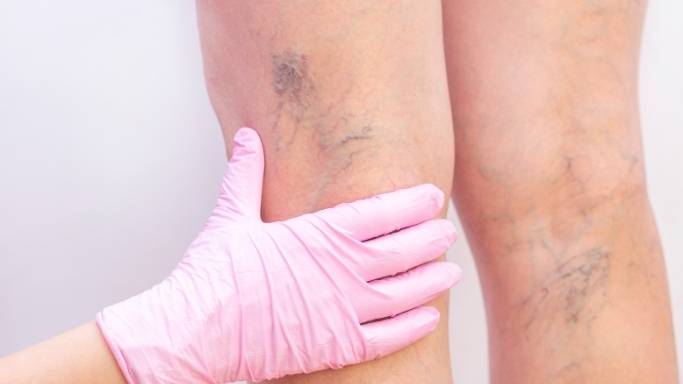
"Is this a varicose vein?" is one of the most common questions in a vein clinic, usually asked about a patch of fine red or blue lines on the thigh or around the ankle. Sometimes the answer is that they are spider veins, a cosmetic issue. Sometimes they are the visible surface of a deeper problem. Telling them apart matters, because the two are managed very differently.
In brief: spider veins are tiny, flat, under 1 mm and usually cosmetic. Varicose veins are 3 mm or wider, bulge above the skin, and are a progressive medical condition. Extensive spider veins, or spider veins with aching, swelling or skin changes, deserve a Duplex scan.
Three Kinds of Visible Leg Vein
Vein specialists worldwide classify leg veins using the CEAP system, which grades them by size and severity.
| Spider veins | Reticular veins | Varicose veins | |
|---|---|---|---|
| Medical name | Telangiectasia | Reticular veins | Varicose veins |
| Size | Under 1 mm | 1 to 3 mm | 3 mm or wider |
| Appearance | Fine red, purple or blue threads, often in a web or starburst | Flat, blue-green veins visible under the skin | Raised, bulging, often twisted cords |
| CEAP stage | C1 | C1 | C2 and above |
| Usually | Cosmetic | Cosmetic, sometimes feeding spider veins | A medical condition that tends to progress |
What Causes Them
Both share many risk factors: family history, female sex, hormonal changes including pregnancy, increasing age, and long hours of standing. Spider veins can also follow sun exposure or minor injury, and are common on the face as well as the legs.
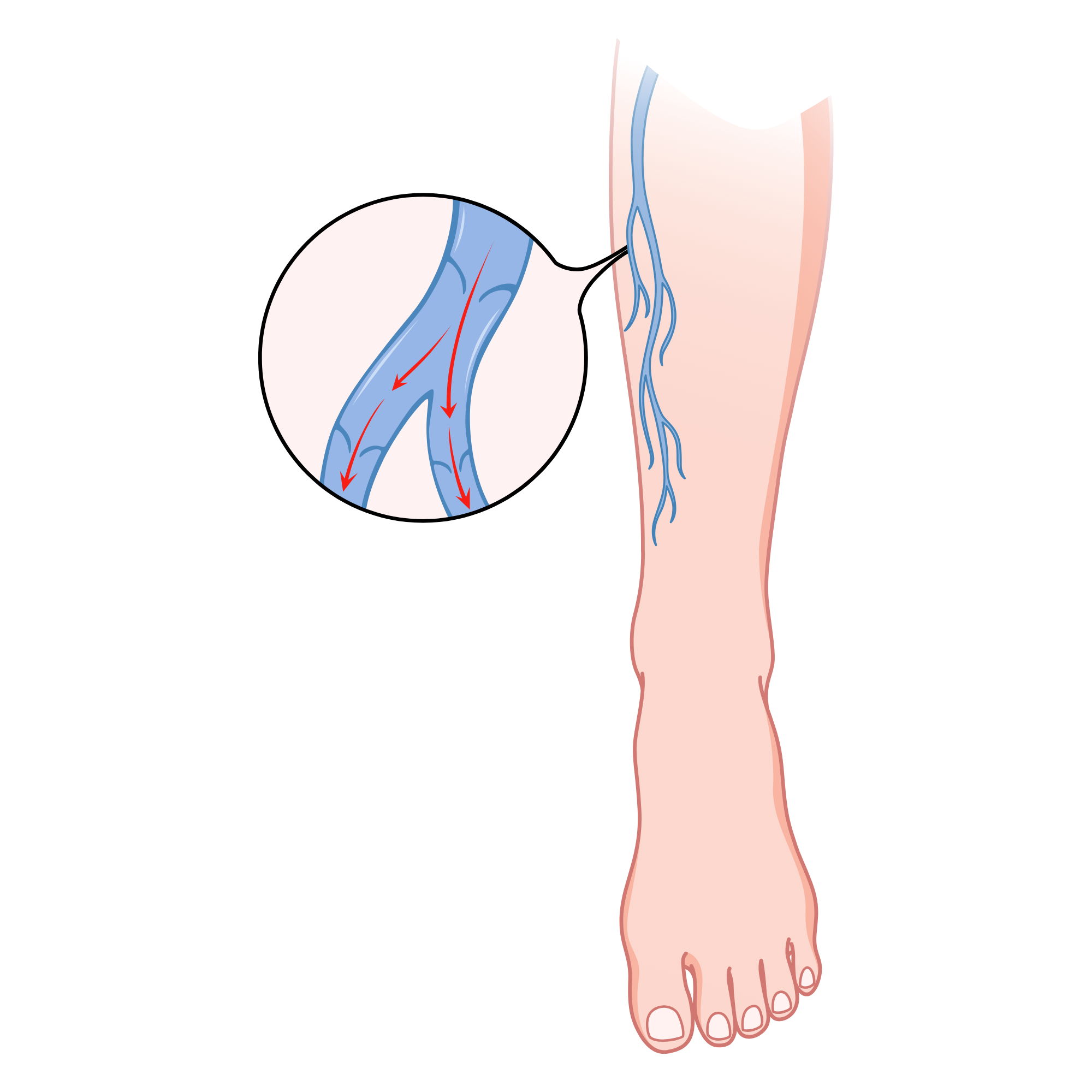
Varicose veins have a specific mechanism. The one-way valves in a larger surface vein fail, so blood flows backwards down the leg. The resulting pressure stretches the vein until it bulges. This reflux is what makes varicose veins progressive, and why they can eventually affect the skin.
Symptoms: What Each Usually Feels Like
Spider veins are usually painless, though some people notice mild burning or itching over them. Varicose veins more often cause symptoms: aching or heaviness that builds through the day, ankle swelling by evening, night cramps, restless legs and itching over the vein. Symptoms that ease when you raise your legs are typical of venous disease.
When Spider Veins Point to a Deeper Problem
Spider veins are not always just surface deep. Get them assessed with a Duplex ultrasound if:
- They are extensive, or appeared quickly
- They come with aching, heaviness or ankle swelling
- They form a fan of fine veins around the inside of the ankle or the arch of the foot. This pattern, called corona phlebectatica, was recognised in the 2020 update of the CEAP classification as a sign of more advanced venous disease (stage C4c).
- The skin near the ankle is discoloured, itchy or hardened
- They returned quickly after previous treatment
In these situations, treating only the visible spider veins tends to fail, because the reflux feeding them remains.
How Each Is Treated
Spider and reticular veins. Treatment is optional and usually cosmetic. Sclerotherapy, in which a fine needle injects a medicine that seals the tiny vessels, is the standard approach, and several sessions may be needed. Surface laser is sometimes used for the finest veins. Because the treatment is cosmetic, it is generally not covered by insurance.
Varicose veins. Treatment is guided by a Duplex ultrasound, which shows which veins are leaking. When the main surface vein is refluxing, endovenous laser ablation under local anaesthesia is the first-line treatment recommended by NICE, often combined with foam sclerotherapy or removal of bulging branches. Treating symptomatic varicose veins is generally covered by health insurance when it is medically necessary.
Both together. Many legs have both. The usual order is to treat the underlying reflux first, then deal with any remaining spider veins once the pressure feeding them has been corrected.
Getting a Clear Answer
If you are unsure what kind of veins you have, or whether they need anything at all, an examination and Duplex scan answer the question. You can read more about staging and treatment in our guide to varicose vein treatment in Bangalore, and about cover in varicose vein treatment and insurance in India.
Frequently Asked Questions
Do spider veins turn into varicose veins?
Spider veins do not themselves grow into varicose veins. But both can share the same underlying cause, so some people with spider veins also have, or later develop, varicose veins.
Are spider veins dangerous?
On their own, no. They are a cosmetic concern for most people. They are worth having checked if they are extensive, cluster around the ankle, or come with aching, swelling or skin changes, which can point to deeper vein reflux.
Does insurance cover spider vein treatment?
Usually not, because treating spider veins for appearance is considered cosmetic. Treatment of symptomatic varicose veins is generally covered when it is medically necessary.
Can creams remove spider veins?
No cream has been shown to remove spider veins. Sclerotherapy, an injection that closes the tiny vessels, is the standard treatment when people choose to have them treated.
Want to know what your legs need?
An examination and Duplex ultrasound show your stage of disease, which veins are leaking, and every option, including not treating. Costs and insurance are explained before you decide.
Request an AppointmentOr call +91 93533 16175
References
- Lurie F, et al. The 2020 update of the CEAP classification system and reporting standards. J Vasc Surg Venous Lymphat Disord 2020;8:342–52. pubmed.ncbi.nlm.nih.gov/32113854
- National Institute for Health and Care Excellence. Varicose veins: diagnosis and management (CG168). nice.org.uk/guidance/cg168
- NHS. Varicose veins. nhs.uk/conditions/varicose-veins
This article is general health information and does not replace an individual consultation, examination and Duplex ultrasound.