 Gallbladder Surgery
 Appendicectomy
 Hernia Repair
 Hysterectomy
 Ovarian Cystectomy
 Tubectomy & Ectopic
 Laser Piles
 Laser Fissure
 Varicose Veins
 Laser Fistula
 Pilonidal Sinus
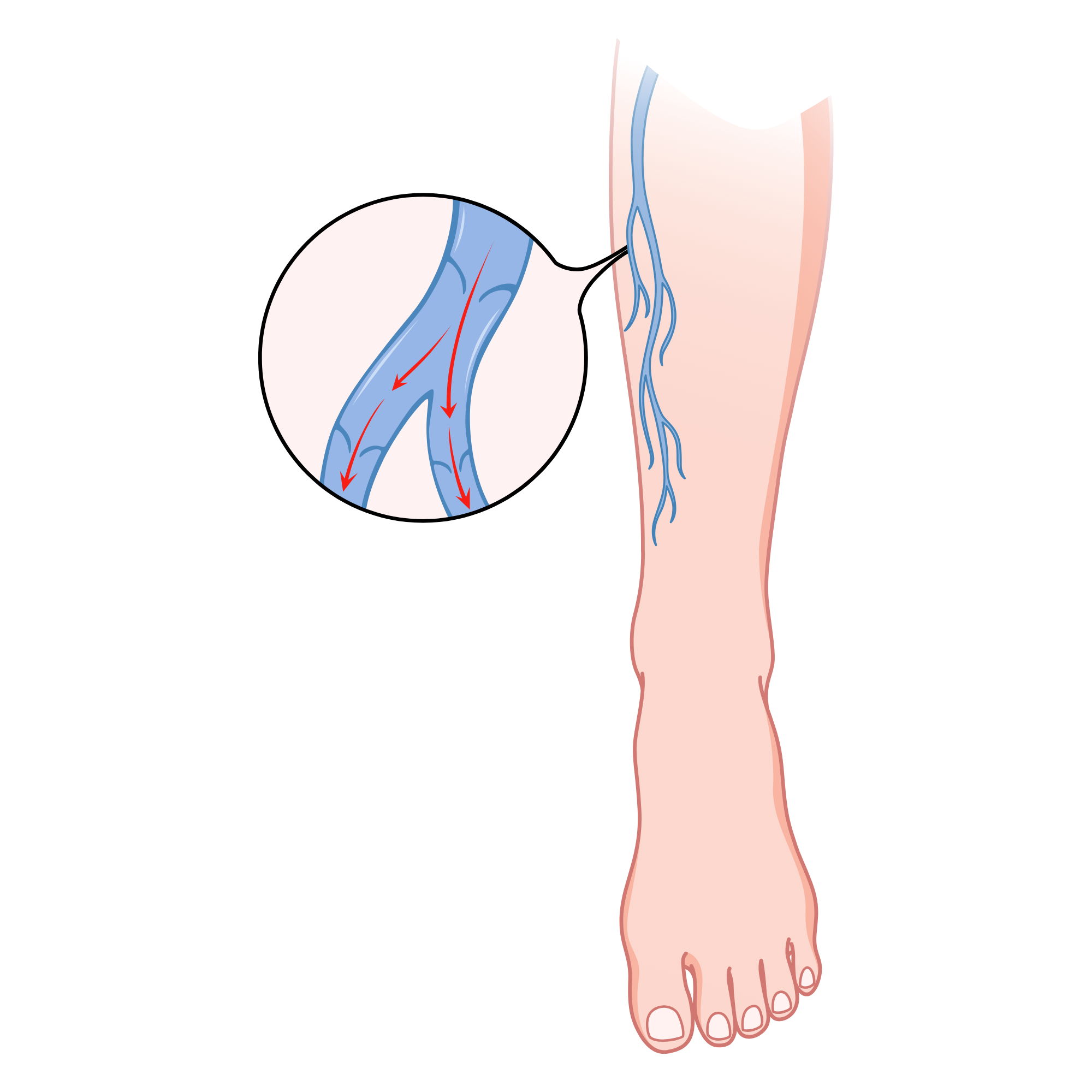
For most people the cost of varicose vein treatment is the question that sits behind every other one, and whether insurance will pay is a large part of it. The good news is that, in India, treatment of symptomatic varicose veins is generally covered by health insurance. The details, though, decide whether a particular claim is paid, so it is worth understanding them before you book a procedure.
This article explains how cover usually works. It is general information, not financial advice. Your own policy wording, and your insurer's decision, are what ultimately apply.
The short answer: varicose vein treatment is usually covered when it is medically necessary, meaning there are symptoms or complications and a Duplex ultrasound confirms venous reflux. Cosmetic spider vein treatment is usually excluded. Waiting periods apply, and the paperwork matters.
Medically Necessary or Cosmetic?
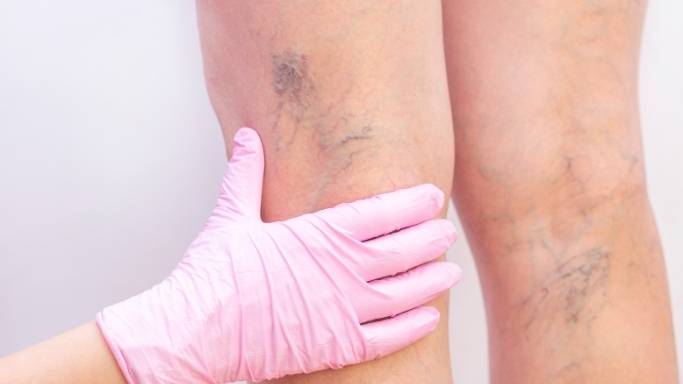
Insurers distinguish between treating a disease and improving appearance. Varicose veins with symptoms such as aching, heaviness, swelling, night cramps, skin changes, bleeding or ulceration are a medical condition, and their treatment is normally covered. Fine spider veins treated purely for appearance are normally excluded as cosmetic.
What turns your symptoms into evidence an insurer will accept is documentation: a clinical record of your symptoms and stage of disease, and a Duplex ultrasound report showing which veins are refluxing. Without the scan, a claim is much harder to support.
Waiting Periods Explained
Three different waiting periods can affect a varicose vein claim:
- The initial waiting period. Most new policies do not pay for planned treatment in the first 30 days, except for accidents.
- The specific disease waiting period. Many policies name varicose veins, alongside conditions such as hernia, piles and gallstones, as a condition with its own waiting period, commonly two years from the start of the policy.
- The pre-existing disease waiting period. If your varicose veins were present, diagnosed or treated before you took the policy, this applies instead. Under the IRDAI Master Circular of 2024, it cannot exceed three years for policies issued or renewed from April 2024, down from four years previously.
Waiting periods run continuously across renewals and, in most cases, across a portability switch to a new insurer, so years already served are not lost when you renew on time. Separately, after five years of continuous cover, the IRDAI moratorium period means an insurer generally cannot contest a claim on grounds of non-disclosure, except in cases of proven fraud.
Employer group policies are often different: many waive these waiting periods altogether. If you have both a group policy and a personal one, check the group policy first.
Day-Care Cover: No 24-Hour Admission Needed
Traditional hospitalisation cover required at least 24 hours of admission. Endovenous laser ablation does not need that: it is done under local anaesthesia and you go home the same day. Most modern policies cover such treatment as a day-care procedure. Before treatment, check that endovenous ablation, or varicose vein treatment generally, appears on your insurer's list of day-care procedures or is otherwise covered under your policy wording.
Cashless or Reimbursement?
Cashless treatment is possible at hospitals in your insurer's network. The hospital sends a pre-authorisation request to the insurer or its third-party administrator (TPA) before the procedure, with your clinical details and an estimate. Once approved, the insurer settles the approved amount directly with the hospital, and you pay only what is not covered.
Reimbursement applies if the hospital is outside the network, or cashless approval is not obtained. You pay the hospital and claim afterwards, submitting the original bills and records within the time your policy specifies.
Documents Insurers Usually Ask For
- Your policy number or e-card, and photo identification
- The consultation notes describing your symptoms, examination findings and stage of disease
- The Duplex ultrasound report confirming venous reflux
- The surgeon's recommendation for the procedure and the treatment plan
- A cost estimate from the hospital, for pre-authorisation
- After treatment: the discharge summary, procedure notes, itemised final bill, pharmacy bills and investigation reports
Why Varicose Vein Claims Get Rejected
- The waiting period has not been completed. This is the commonest reason. Check your policy start date against the relevant waiting period before scheduling.
- The treatment is classed as cosmetic, usually because there is no record of symptoms or no Duplex scan showing reflux.
- Non-disclosure. Varicose veins present before the policy but not declared on the proposal form can lead to rejection within the moratorium period. Always declare existing conditions.
- Sub-limits and caps. Some policies cap the amount payable for particular procedures, or limit room rent, which reduces the amount paid.
- Non-payable items. Some consumables, and items such as compression stockings, may not be payable under some policies.
How We Help
At your consultation, bring your policy document or e-card. Once the Duplex scan has shown what treatment you actually need, we give you a full cost estimate and help with the pre-authorisation paperwork, so you know what your insurer is likely to pay before you decide on anything. For the clinical side, including CEAP staging, how laser treatment is performed and recovery, see our complete guide to varicose vein treatment in Bangalore.
Frequently Asked Questions
Is laser treatment for varicose veins covered, or only surgery?
Most current retail and group policies in India cover endovenous laser ablation when it is medically necessary, usually as a day-care procedure that does not need 24-hour admission. Check that it appears on your insurer's day-care list or is otherwise covered under your policy wording.
What is the waiting period for varicose veins?
Many policies list varicose veins as a specific condition with a waiting period, commonly two years from the start of the policy. If your varicose veins were present before you took the policy, the pre-existing disease waiting period applies instead, which IRDAI capped at three years for policies issued or renewed from April 2024. Your own policy wording is what counts.
Will insurance pay for spider vein treatment?
Usually not. Treatment of spider veins or small veins for appearance alone is generally considered cosmetic and excluded.
Does my employer's group policy have the same waiting period?
Often not. Many employer group policies waive the standard waiting periods from day one, but this varies by employer and insurer. Check the policy document or ask your HR or insurance desk.
Want to know what your legs need?
An examination and Duplex ultrasound show your stage of disease, which veins are leaking, and every option, including not treating. Costs and insurance are explained before you decide.
Request an AppointmentOr call +91 93533 16175
References
- Insurance Regulatory and Development Authority of India. Master Circular on Health Insurance Business, May 2024. irdai.gov.in
- Business Today. IRDAI reduces pre-existing disease waiting period from 4 to 3 years, April 2024. businesstoday.in
- National Institute for Health and Care Excellence. Varicose veins: diagnosis and management (CG168). nice.org.uk/guidance/cg168
This article is general health information and does not replace an individual consultation, examination and Duplex ultrasound.