 Gallbladder Surgery
 Appendicectomy
 Hernia Repair
 Hysterectomy
 Ovarian Cystectomy
 Tubectomy & Ectopic
 Laser Piles
 Laser Fissure
 Varicose Veins
 Laser Fistula
 Pilonidal Sinus
A venous leg ulcer is one of the most frustrating problems a patient can have. A small wound near the ankle, sometimes from nothing more than a scratch, simply refuses to close. Dressings are changed for weeks, sometimes months, and it may heal only to break down again.
The reason is almost always the same. The wound is a symptom of high pressure in the leg veins, and it will struggle to heal for as long as that pressure is not dealt with. Once you understand why, the treatment makes sense.
In brief: a venous ulcer heals best with three things together: firm compression, good wound care, and treatment of the leaking vein that is causing the high pressure. Treating the vein also makes the ulcer much less likely to come back.
What Is a Venous Leg Ulcer?
A venous leg ulcer is an open wound on the lower leg, usually in the area just above the inner ankle, that has not healed within two weeks. It is the most advanced stage of chronic venous disease, stage C6 on the international CEAP scale, and it typically follows years of untreated varicose veins or venous insufficiency.
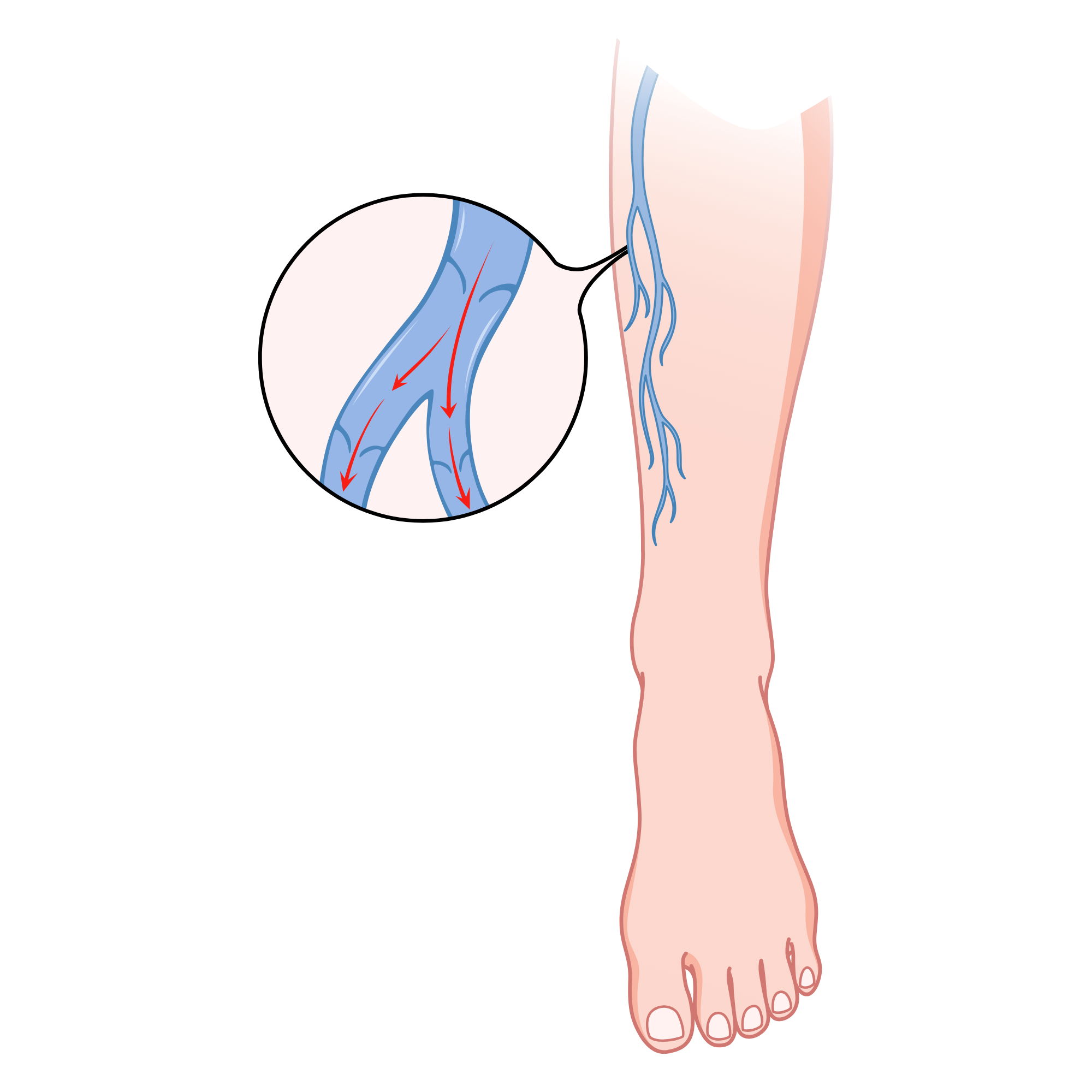
When the valves in the leg veins fail, blood refluxes down the leg and pressure in the veins near the ankle stays high even when you walk. Over time this forces fluid and blood cells into the surrounding tissue. The skin becomes stained brown, itchy and inflamed, then hard and tight. Skin in that state has poor nourishment and heals badly, so a minor injury becomes an ulcer.
Is It Venous, Diabetic or Arterial?
Not every leg wound is venous, and the distinction matters because the treatment differs, and compression that heals a venous ulcer can harm a leg with poor arterial supply.
| Feature | Venous ulcer | Arterial ulcer | Diabetic foot ulcer |
|---|---|---|---|
| Usual site | Above the inner ankle | Toes, heel, shin, foot | Pressure points on the sole and toes |
| Appearance | Shallow, irregular edges, often weeping | Punched-out, dry, pale base | Often surrounded by thick callus |
| Pain | Aching, eased by raising the leg | Severe, worse when the leg is raised | Often little pain because of nerve damage |
| Surrounding skin | Brown staining, eczema, swelling | Cool, shiny, hairless; weak pulses | Dry skin, reduced sensation |
Many people have more than one problem. Diabetes is common, and a venous ulcer in someone with diabetes or arterial disease needs both conditions managed. This is why assessment always comes before compression.
How a Leg Ulcer Is Assessed
- Examination of the leg and the wound, including its size, depth, edges and any signs of infection.
- Ankle-brachial pressure index (ABPI). A simple blood-pressure comparison between ankle and arm that checks the arterial supply is good enough for compression to be safe.
- Duplex ultrasound of the veins. This identifies which veins are refluxing and whether the deep veins are healthy, which decides whether the vein can be treated.
- Blood tests where appropriate, including blood sugar, because undiagnosed or poorly controlled diabetes slows healing.
Treatment: Three Things Working Together
1. Compression. Firm, graduated compression, usually multi-layer bandaging while the ulcer is open, is the foundation of healing. It counteracts the high vein pressure, reduces swelling and allows the skin to recover. It must be applied correctly and only after the arterial circulation has been checked.
2. Wound care. The ulcer is cleaned and dressed to keep it moist and protected, with any infection treated. Dressings support healing, but on their own they cannot overcome the vein pressure that caused the ulcer.
3. Treating the leaking vein. This is the step most often missed. When Duplex shows reflux in the superficial veins, closing them with endovenous laser ablation or foam sclerotherapy removes the cause. The procedure is done through a needle puncture under local anaesthesia, and can usually be performed while the ulcer is still open.
What the Evidence Shows
Two major randomised trials changed how venous ulcers are managed. The EVRA trial, published in the New England Journal of Medicine in 2018, compared compression plus early endovenous ablation with compression plus ablation deferred until after healing. Early ablation healed ulcers faster, with a median healing time of 56 days against 82, and gave patients more ulcer-free time over the following year.
Earlier, the ESCHAR study, published in The Lancet in 2004, found that adding treatment of superficial vein reflux to compression did not speed healing in that trial, but significantly reduced how often ulcers came back. Taken together, the message is clear: treat the vein, and treat it early. NICE guidance accordingly advises referral to a vascular service for anyone with an active or healed venous leg ulcer.
Preventing the Ulcer Coming Back
- Have the refluxing vein treated if the scan shows it is suitable
- Continue wearing compression stockings after healing, as advised
- Walk daily and elevate your legs when resting
- Moisturise the skin of the lower leg and protect it from knocks
- Keep blood sugar and weight under control
- Seek advice early if the skin starts to itch, darken or break again
When to Seek Care Urgently
See a doctor the same day if the skin around the ulcer becomes increasingly red, hot and swollen, if you develop a fever, if the wound is enlarging quickly or turning black, if pain is suddenly much worse, or if it bleeds heavily. Sudden calf pain with swelling, or breathlessness, needs emergency care.
Getting Assessed
If you have a wound near the ankle that has not healed in two weeks, or one that keeps coming back, an assessment that includes a Duplex scan and an ABPI is the right next step. For more on how venous disease is staged and treated, see our complete guide to varicose vein treatment in Bangalore, and our article on the warning signs that varicose veins need attention.
Frequently Asked Questions
How long does a venous leg ulcer take to heal?
It varies with the size and age of the ulcer and how well the underlying causes are treated. With consistent compression, good wound care and treatment of the vein reflux, many ulcers heal within a few months. In the EVRA trial, median healing time was 56 days when the vein was ablated early, against 82 days when ablation was deferred.
Will the ulcer come back once it heals?
Venous ulcers have a strong tendency to recur if the underlying reflux remains. Treating the refluxing vein and continuing compression after healing both reduce that risk considerably.
Should I rest with my leg up or keep walking?
Both. Walking works the calf muscle pump and helps healing, and elevating the leg above heart level when you sit reduces swelling. What to avoid is long periods of standing still or sitting with the legs down.
Can I put home remedies or powders on the wound?
Please do not apply household remedies, powders, pastes or oils to an open ulcer. They can irritate the wound, introduce infection and delay healing. Use only the dressings advised by your doctor or nurse.
Want to know what your legs need?
An examination and Duplex ultrasound show your stage of disease, which veins are leaking, and every option, including not treating. Costs and insurance are explained before you decide.
Request an AppointmentOr call +91 93533 16175
References
- Gohel MS, et al. A Randomized Trial of Early Endovenous Ablation in Venous Ulceration (EVRA). N Engl J Med 2018;378:2105–14. pubmed.ncbi.nlm.nih.gov/29688123
- Barwell JR, et al. Comparison of surgery and compression with compression alone in chronic venous ulceration (ESCHAR study): randomised controlled trial. Lancet 2004;363:1854–59. pubmed.ncbi.nlm.nih.gov/15183623
- National Institute for Health and Care Excellence. Varicose veins: diagnosis and management (CG168). nice.org.uk/guidance/cg168
- NICE Clinical Knowledge Summaries. Leg ulcer, venous. cks.nice.org.uk/topics/leg-ulcer-venous
- NHS. Venous leg ulcer. nhs.uk/conditions/leg-ulcer
This article is general health information and does not replace an individual consultation, examination and Duplex ultrasound.